
Fireflies and What They Tell Us About the Health of Our Landscapes
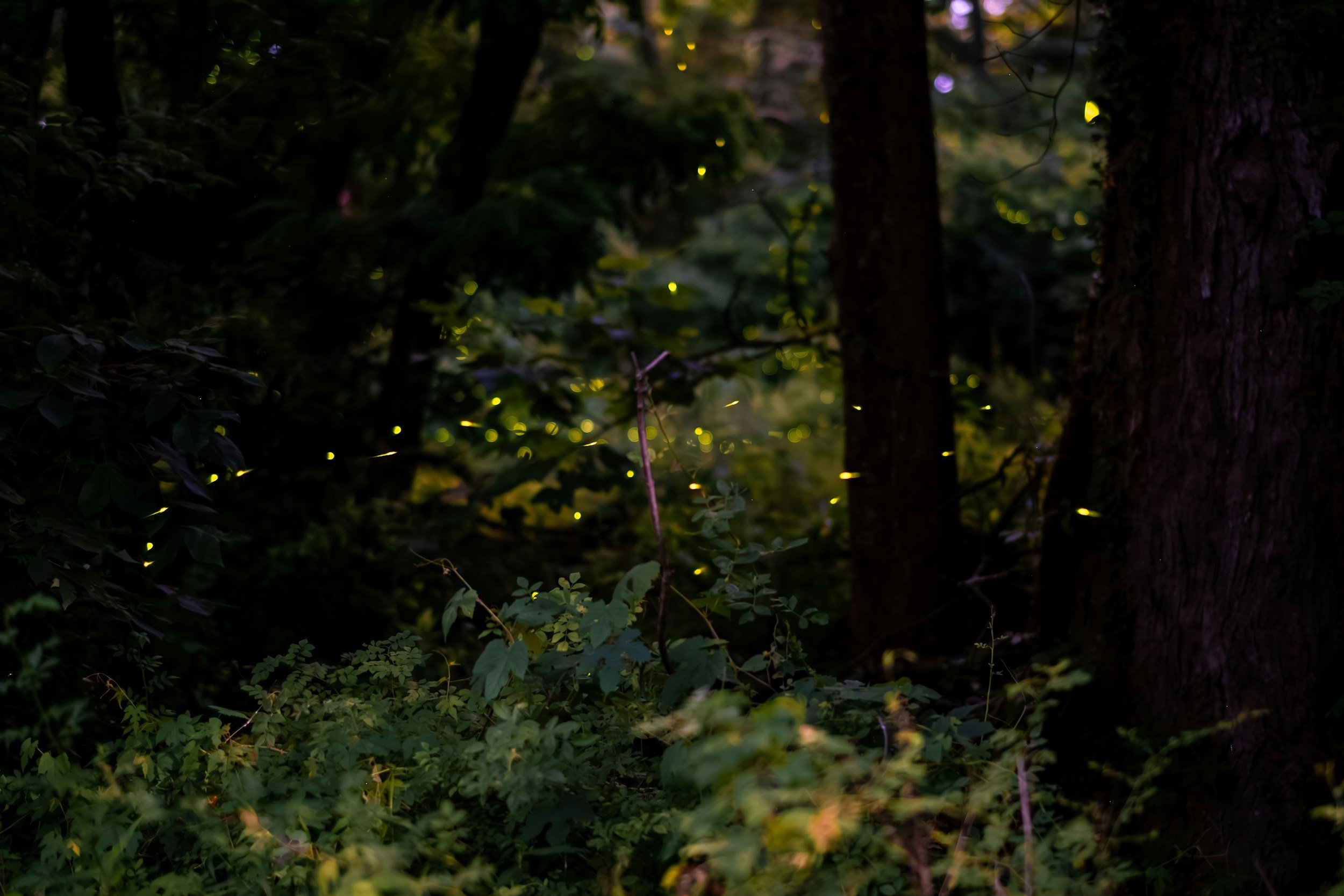
On warm summer evenings, few sights are as magical as fireflies blinking across fields, wetlands, forests, and gardens. Their gentle flashes have inspired stories, art, and scientific curiosity for centuries. Yet fireflies are more than beautiful insects they are important indicators of environmental health and valuable members of the ecosystems they inhabit.
As development, pollution, and habitat loss increase across the world, many firefly populations are declining. Understanding what fireflies need to thrive can help landowners, gardeners, and communities create healthier landscapes for countless other species as well.
What Are Fireflies?
Fireflies are not flies at all. They are beetles belonging to the family Lampyridae, which includes over 2,000 known species worldwide. They occur throughout North America, Europe, Asia, South America, and parts of Africa.
Different species produce unique flashing patterns that help males and females find one another. Some species glow yellow, others green, and a few produce orange or bluish light.
The light is produced through a highly efficient chemical reaction known as bioluminescence. Nearly 100% of the energy is converted into light, making firefly lanterns far more efficient than human-made light bulbs.
What Do Fireflies Indicate About Habitat Quality?
Fireflies are often considered bioindicators, meaning their presence can reveal important information about ecosystem health.
Large numbers of fireflies often indicate:
Healthy soils
Abundant leaf litter and organic matter
Low pesticide use
Good water quality
Diverse native plant communities
Wetlands, streams, ponds, or moist habitats nearby
Natural darkness at night
Because many firefly species spend most of their lives underground or within leaf litter, they are sensitive to soil disturbance and pollution. Areas supporting thriving firefly populations often support many other beneficial insects, birds, amphibians, and soil organisms as well.
However, not every healthy ecosystem will have abundant fireflies. Different species have specific habitat requirements, and some regions naturally support more fireflies than others.
The Firefly Life Cycle
Most people only notice fireflies during their brief adult stage, but that represents only a small portion of their lives.
Eggs
Female fireflies lay eggs in soil, leaf litter, moss, or other moist environments. Some species' eggs can glow faintly.
Larvae
After hatching, larvae spend one to three years living in soil, decaying wood, grasslands, wetlands, or forest litter.
This is the longest stage of their life cycle.
The larvae are active predators and consume:
Snails
Slugs
Earthworms
Soft-bodied insects
Various soil invertebrates
Many larval fireflies can glow as well, likely warning predators that they are unpalatable.
Pupae
After completing development, larvae pupate in the soil for several weeks.
Adults
Adult fireflies emerge during warm months and typically live only a few weeks.
Their primary purpose is reproduction. Many adult species feed little or not at all, though some consume nectar, pollen, or plant juices.
How to Promote More Fireflies
Creating habitat for fireflies often benefits many other wildlife species simultaneously.
Leave Some Leaves
Leaf litter provides critical habitat for eggs, larvae, and their prey.
Instead of removing all leaves each fall, allow some natural areas to retain their leaf cover.
Reduce Pesticide Use
Many insecticides kill fireflies directly or eliminate the organisms they depend upon for food.
Reducing pesticide use is one of the most effective ways to support firefly populations.
Preserve Moist Areas
Many firefly species prefer:
Wetlands
Pond margins
Creek corridors
Moist meadows
Rain gardens
Maintaining these habitats can dramatically increase firefly abundance.
Plant Native Vegetation
Native grasses, wildflowers, shrubs, and trees create stable habitat and support diverse food webs.
Prairie restorations, shelterbelts, woodland edges, and wetland plantings can all provide excellent firefly habitat.
Leave Dead Wood
Rotting logs and fallen branches help maintain moisture and support many of the organisms fireflies depend on.
Turn Off Outdoor Lights
Artificial lighting is one of the greatest threats to many firefly species.
Excessive nighttime lighting can:
Disrupt courtship signals
Reduce successful mating
Alter behavior
Fragment habitat
Using motion sensors, shielding lights downward, and reducing unnecessary lighting can significantly help fireflies.
Fireflies and Conservation
Scientists have documented declines in numerous firefly populations around the world.
Major threats include:
Habitat loss
Urban development
Agricultural intensification
Wetland destruction
Light pollution
Pesticides
Climate change
Like many conservation issues, firefly conservation often benefits entire ecosystems. Actions that help fireflies usually help pollinators, birds, amphibians, reptiles, and beneficial soil organisms as well.
Why Fireflies Matter to Human Society
Fireflies contribute more than beauty to our landscapes.
Natural Pest Control
Their predatory larvae consume many organisms that gardeners and farmers consider pests, particularly slugs and snails.
Scientific Research
The chemical reaction responsible for firefly light has become an important tool in medicine and biotechnology.
Firefly enzymes are used in:
Disease research
Genetic studies
Drug development
Environmental monitoring
Forensic science
Without fireflies, many modern biological research techniques would not exist.
Tourism and Education
Around the world, firefly displays attract visitors and support local economies.
Many parks and nature reserves host firefly viewing events that help connect people with the natural world.
Cultural Value
For countless generations, fireflies have symbolized wonder, hope, summer, and the beauty of wild places. Their presence often reminds people that healthy ecosystems can still exist alongside human communities.
A Beacon of Healthy Landscapes
A summer field illuminated by fireflies is more than a beautiful sight it is often evidence of living soils, functioning food webs, clean water, and dark skies. Fireflies remind us that conservation does not always require grand projects. Sometimes it begins with leaving a patch of leaves undisturbed, planting native vegetation, restoring a wetland, or simply turning off a light.
By creating landscapes that support fireflies, we create landscapes that support life itself. Their tiny lanterns serve as glowing indicators that nature is still thriving, and that our stewardship is helping preserve the rich ecological communities upon which both wildlife and people depend.