Bat Houses: Benefits, Risks, Placement Tips, and When a Birdhouse May Be a Better Choice
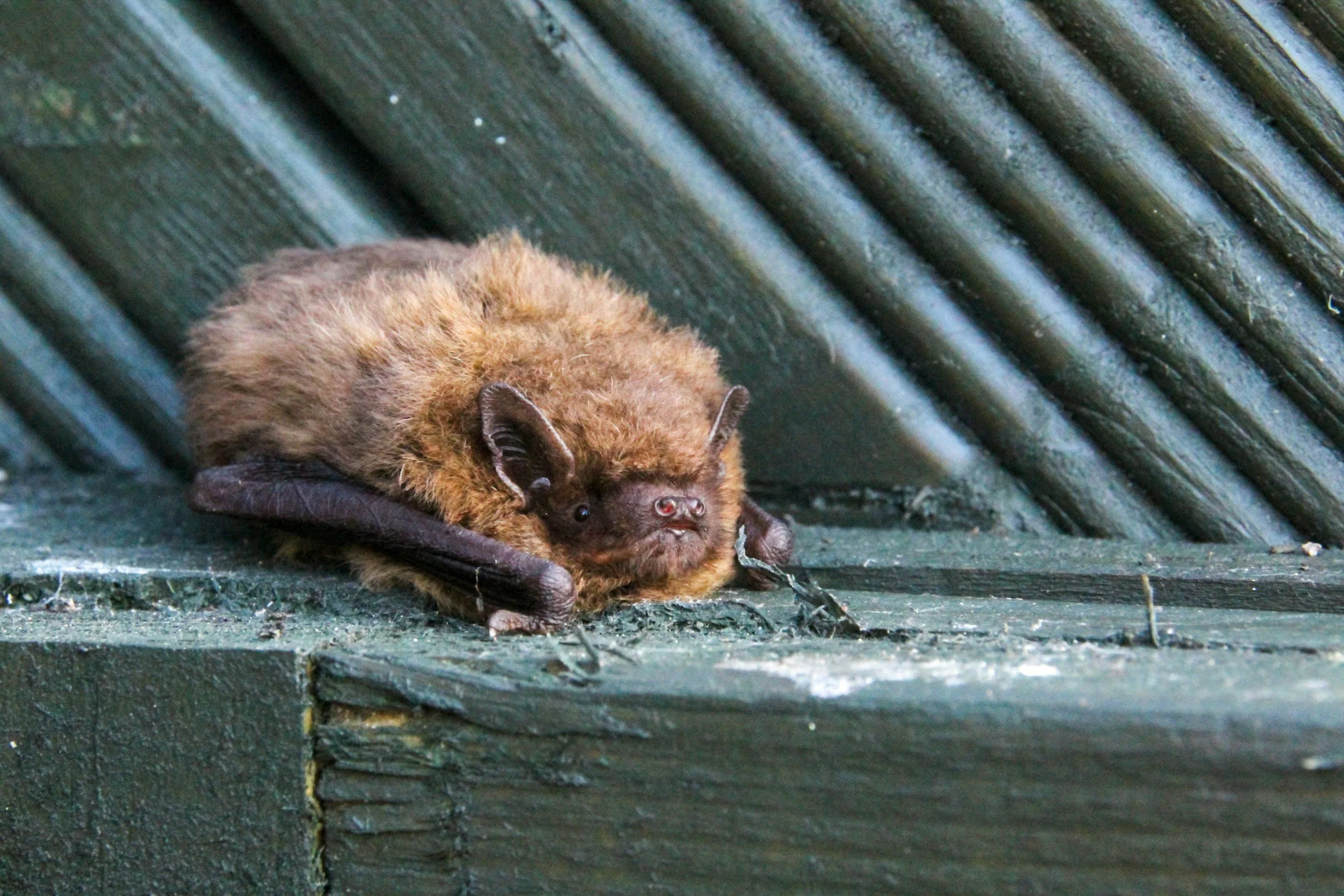
Bats are among the most misunderstood wildlife species in North America. While often associated with spooky stories and disease, bats are actually important insect predators that provide valuable ecological services. Installing a bat house can help support local bat populations, but it is not the right choice for every property or every person. Understanding both the advantages and disadvantages can help landowners make informed decisions.
The Benefits of Bat Houses
Natural Insect Control
A single bat can consume hundreds to thousands of insects in a night, depending on the species and conditions. Many of these insects include mosquitoes, moths, beetles, and agricultural pests. By attracting bats, landowners may reduce insect populations without relying solely on pesticides.
Supporting Wildlife Conservation
Many bat populations have declined due to habitat loss, disturbance of roosting sites, and diseases such as White-Nose Syndrome. Bat houses can provide alternative roosting locations where natural tree cavities are limited.
Pollination and Seed Dispersal
While most bats in Kansas are insect-eaters, many bat species worldwide pollinate flowers and disperse seeds. Supporting bat conservation helps maintain these important ecological relationships.
Educational Value
Bat houses offer opportunities for wildlife observation and environmental education. Watching bats emerge at dusk can be a fascinating experience for adults and children alike.
The Drawbacks of Bat Houses
Bat Houses Are Not Always Occupied
It may take months or even years before bats move into a newly installed bat house. Some remain unused entirely if placement conditions are poor.
Guano Accumulation
Bat droppings, known as guano, can accumulate beneath occupied bat houses. While guano can be a valuable fertilizer, large accumulations may require management.
Potential Health Risks
Bat houses themselves are generally safe when left undisturbed. However, people should avoid handling bats directly.
Bats can occasionally carry rabies, although only a small percentage are infected. Any direct contact with a bat should be treated seriously, and medical professionals should be consulted if a bite or scratch is suspected.
In some situations, accumulated bat guano may support the growth of fungal spores that can cause respiratory illness when inhaled. This risk is greatest when disturbing large amounts of dried guano in enclosed spaces such as attics, caves, or old buildings.
Neighborhood Concerns
Some neighbors may have concerns or misconceptions about bats. Education and proper placement can help address these concerns.
Where Should a Bat House Be Placed?
Proper placement is often the difference between success and failure.
Ideal locations include:
Mounting 12–20 feet above the ground.
Locations receiving 6–8 hours of sunlight daily.
South or southeast-facing surfaces in cooler climates.
Poles or buildings rather than trees.
Areas near ponds, wetlands, streams, or other water sources.
Locations with a clear flight path free of dense branches.
Avoid placing bat houses:
Directly above patios, decks, doorways, or walkways.
In heavily shaded locations.
On trees where predators can easily access them.
Near bright nighttime lighting.
For properties with wetlands, ponds, or shelterbelts, placing bat houses near water while maintaining distance from frequently used human gathering spaces often provides the best results.
Who Should Consider Alternatives?
Bat houses are not ideal for everyone.
People who may prefer birdhouses, feeders, and water features include:
Individuals With Severe Immune Suppression
People undergoing certain medical treatments or with compromised immune systems may prefer to minimize potential exposure to wildlife waste products.
People Uncomfortable Around Bats
Wildlife conservation works best when people are comfortable with the species they are supporting. If bats create anxiety or concern, bird-focused habitat projects may be more enjoyable.
Properties With Heavy Human Traffic
Schools, playgrounds, outdoor dining areas, and heavily used patios may be better suited for birdhouses and bird baths rather than bat roosts.
Why Birdhouses, Feeders, and Waterers May Be Better Choices
Bird-focused habitat improvements often provide wildlife benefits with fewer concerns.
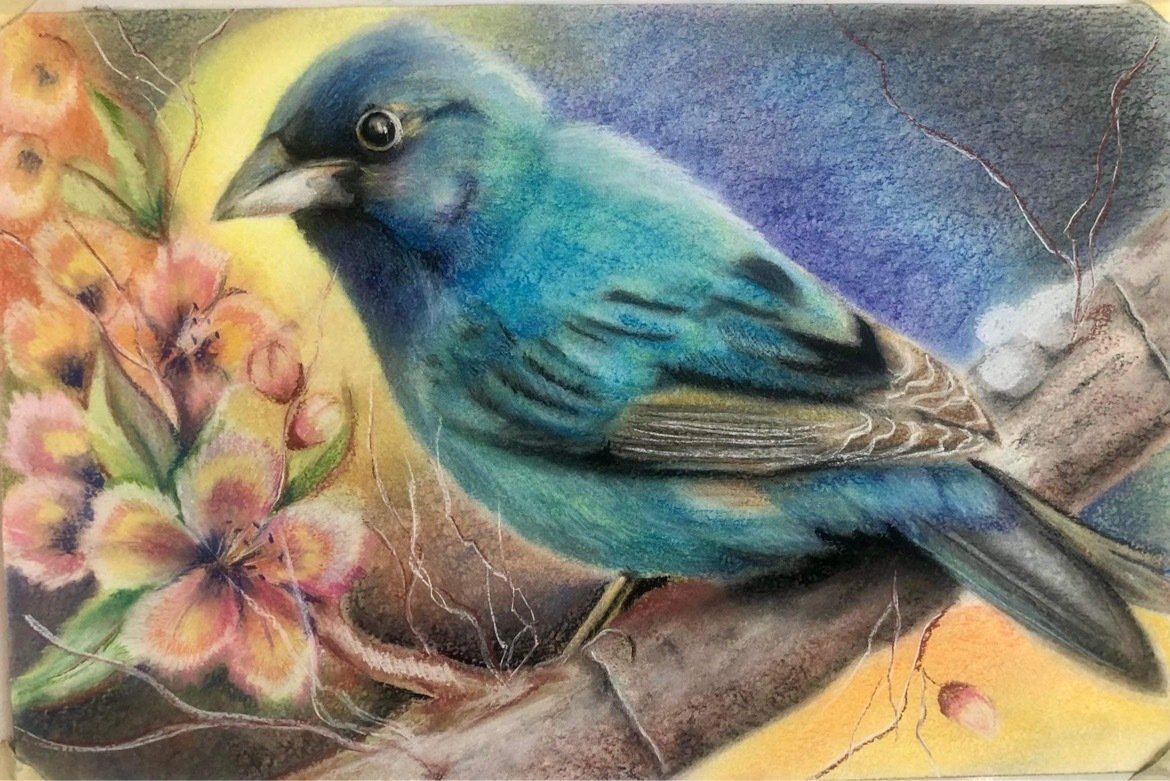
Birdhouses can support native cavity-nesting birds such as bluebirds, wrens, chickadees, and tree swallows.
Bird feeders provide opportunities for wildlife viewing throughout the day.
Bird baths and water features benefit not only birds but also pollinators, butterflies, dragonflies, amphibians, and many other forms of wildlife.
Unlike bat houses, birdhouses are often occupied more quickly and provide more visible wildlife activity during daylight hours.
The Best Approach: Diversity
For many landowners, the best strategy is not choosing between bats and birds but supporting both.
A well-designed wildlife habitat might include:
Bat houses near ponds or wetlands.
Bluebird or swallow houses in open grasslands.
Chickadee and wren houses near trees and shrubs.
Bird baths and pollinator gardens.
Native trees, shrubs, and wildflowers.
By creating a variety of habitat features, landowners can support a greater diversity of wildlife while enjoying the ecological benefits each species provides.
Final Thoughts
Bat houses can be valuable conservation tools that provide natural insect control and support declining bat populations. However, they require proper placement and come with considerations regarding guano management and potential health risks.
For people seeking wildlife viewing opportunities with lower perceived risks, birdhouses, feeders, and water features may be a better fit. Ultimately, the most wildlife-friendly landscapes are those that provide habitat for many different species rather than focusing on a single group.
Whether you choose a bat house, a birdhouse, or both, providing safe habitat is one of the simplest ways to help wildlife thrive in your community.