

Harvesting and Preserving Mulberries: A Complete Guide to White, Red, and Black Mulberries
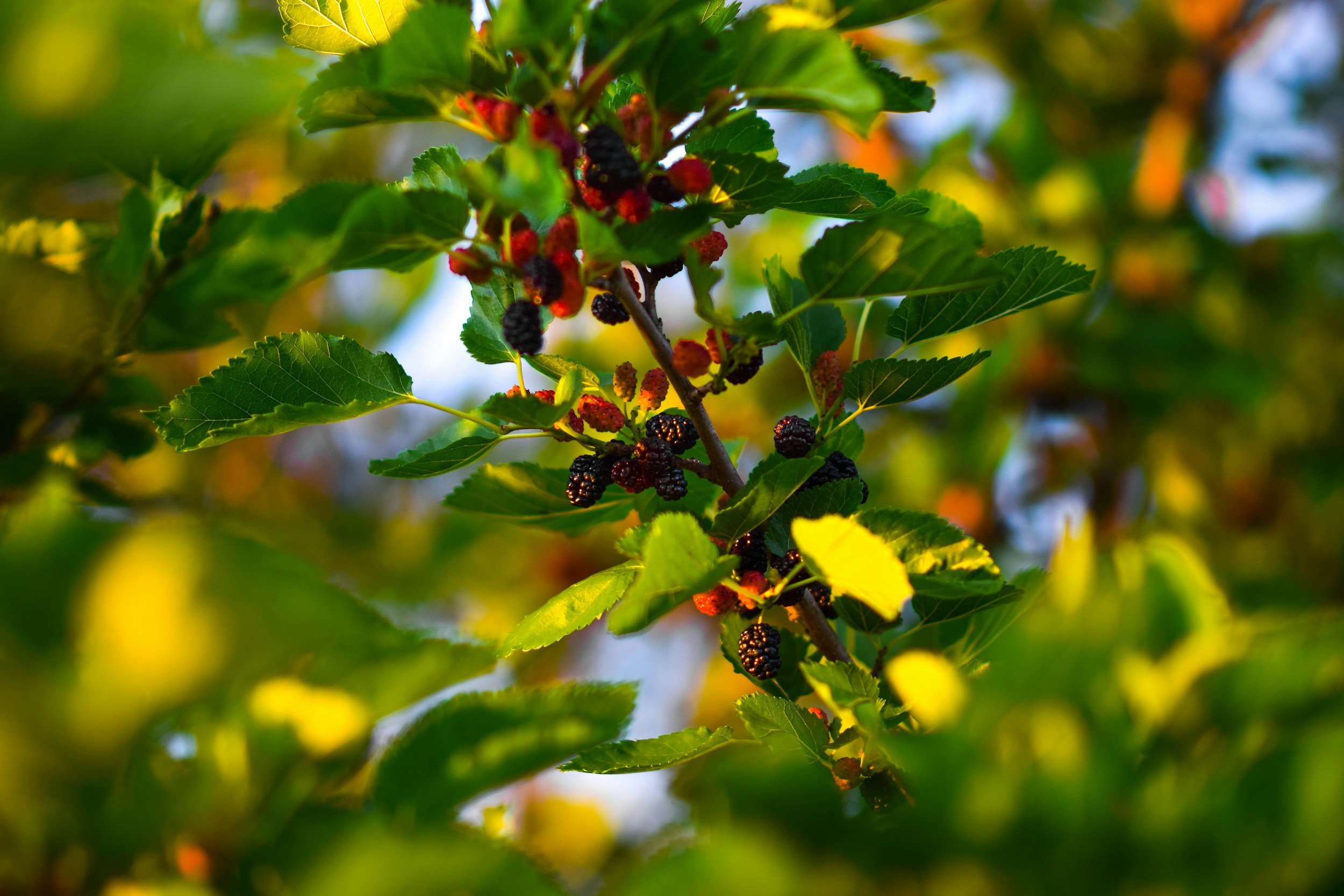
Mulberries are one of North America's most overlooked fruits. While many people recognize the trees from stained sidewalks and purple bird droppings, relatively few realize that mulberries are incredibly productive, nutritious, and versatile in the kitchen. Whether you're harvesting from a backyard tree or foraging wild specimens, mulberries can be transformed into delicious preserves that last throughout the year.
Meet the Three Common Mulberries
Several species of mulberry are commonly found in North America, each with its own characteristics.
White Mulberry (Morus alba)
Originally introduced from Asia for silk production, white mulberry has become widespread across much of the United States. Despite its name, the fruit isn't always white—it may ripen to white, pink, lavender, red, or nearly black.
White mulberries are generally:
Mild and very sweet
Lower in acidity
Soft with a honey-like flavor
Excellent for fresh eating and drying
Red Mulberry (Morus rubra)
Red mulberry is North America's native species and is often found in rich woodlands and along streams.
Its fruit is typically:
Dark red to nearly black when ripe
Sweet with pleasant tartness
Richly aromatic
Excellent for jams, pies, and fresh eating
Many foragers consider red mulberries the finest balance between sweetness and acidity.
Black Mulberry (Morus nigra)
Native to western Asia, black mulberry is less common but highly prized.
Its berries are known for:
Deep purple-black color
Intense sweetness balanced by rich acidity
Complex berry-like flavor reminiscent of blackberries and raspberries
Outstanding quality for preserves, syrups, and desserts
Although black mulberry trees often produce fewer berries than white mulberries, many consider them the best-tasting of all.
When to Harvest
Mulberries ripen over several weeks rather than all at once. Fully ripe berries detach easily from the stem with a gentle pull.
Signs of ripeness include:
Full coloration for the variety
Soft texture
Sweet aroma
Easy separation from the stem
Avoid harvesting unripe berries, as they can be bland or slightly astringent.
One of the easiest harvesting methods is to spread a clean tarp or sheet beneath the tree and gently shake branches. Perfectly ripe berries will fall while underripe fruit remains attached.
Harvest during the cool morning hours whenever possible to maximize freshness.
Cleaning Your Harvest
Fresh mulberries often contain tiny insects hidden between the drupelets.
A simple cleaning method is:
Remove leaves, stems, and damaged fruit.
Mix one part white vinegar with three parts cool water.
Soak the berries for 5–10 minutes.
Gently stir occasionally.
Rinse thoroughly with cool water.
Drain on towels or a salad spinner.
This process helps remove insects, dust, and debris without affecting flavor.
Ways to Preserve Mulberries
One of mulberries' greatest strengths is their versatility. Several preservation methods work exceptionally well.
Drying
Drying concentrates the natural sugars and creates a shelf-stable snack similar to raisins.
To dry:
Spread berries in a single layer.
Dry in a food dehydrator at approximately 125–135°F (52–57°C).
Continue until berries become leathery but not brittle.
Cool completely before storing.
Store dried berries in airtight containers in a cool, dark place.
Dried mulberries are excellent in:
Granola
Trail mix
Breakfast cereals
Cookies
Bread
Tea blends
Candied Mulberries
Candied mulberries make an elegant treat with concentrated berry flavor.
A simple process includes:
Simmer equal parts sugar and water until dissolved.
Add mulberries carefully.
Simmer gently for 10–15 minutes.
Allow berries to cool in the syrup overnight.
Remove and drain well.
Dry in a dehydrator or very low oven until slightly tacky.
Roll in fine sugar if desired.
The remaining syrup becomes a delicious topping for pancakes, ice cream, yogurt, or sparkling water.
Mulberry Jam
Mulberries naturally produce a rich, flavorful jam.
Basic ingredients include:
Fresh mulberries
Sugar
Lemon juice
Optional pectin for a firmer set
Cook the fruit until softened, stir in sugar and lemon juice, then continue cooking until the desired consistency is reached before processing in sterilized jars using approved water-bath canning methods.
Mulberry jam pairs beautifully with homemade bread, biscuits, pastries, and cheese boards.
Freezing Fresh
Freezing preserves mulberries with minimal processing.
For best results:
Wash and dry berries thoroughly.
Arrange them in a single layer on a baking sheet.
Freeze until solid.
Transfer to freezer bags or airtight containers.
Remove as much air as possible.
This individual quick-freezing method prevents berries from clumping together.
Frozen mulberries retain much of their flavor and work well in:
Smoothies
Muffins
Cobblers
Sauces
Ice cream
Baking
Nutritional Benefits
Mulberries are more than just delicious—they're packed with nutrients.
A typical serving provides:
Vitamin C to support immune function
Vitamin K for healthy blood clotting and bone metabolism
Iron, which helps transport oxygen throughout the body
Potassium to support heart and muscle function
Dietary fiber that promotes digestive health
Manganese, an important mineral for metabolism and bone health
Mulberries are also rich in natural plant compounds, including anthocyanins (especially in red and black varieties), flavonoids, and other polyphenols that act as antioxidants. These compounds help protect cells from oxidative stress and contribute to the berries' vibrant colors.
Despite their sweetness, mulberries are relatively low in calories and make a nutritious addition to a balanced diet.
A Fruit Worth Rediscovering
Mulberries have quietly fed people, wildlife, and livestock for centuries, yet they remain one of America's most underutilized fruits. A single mature tree can produce gallons of berries each season with very little maintenance.
Whether enjoyed fresh beneath the tree, dried for winter snacks, transformed into rich jam, frozen for baking, or candied into a gourmet treat, mulberries reward the harvester with exceptional flavor and impressive nutrition. As interest grows in local food, agroforestry, and native edible landscapes, mulberries deserve renewed attention as one of the easiest and most productive fruit trees for home gardens, farms, and food forests.