
Restoring Eutrophic Waters: Nature-Based Solutions for Healthier Lakes, Ponds, and Rivers
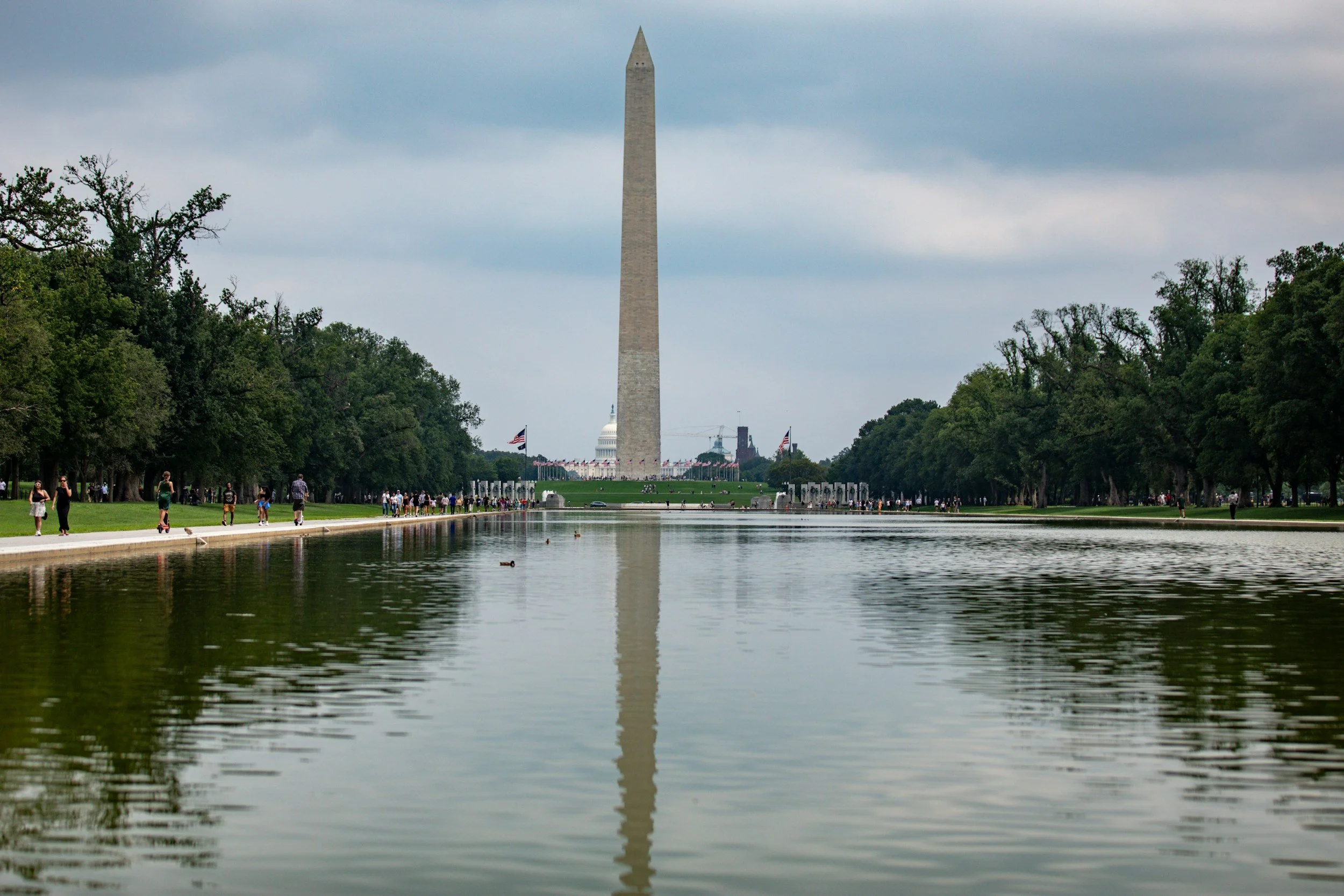
Eutrophic Water in The Lincoln Memorial Reflecting Pool
Across Kansas and much of America's agricultural landscape, many lakes, ponds, wetlands, and slow-moving rivers suffer from eutrophication, the over-enrichment of water with nutrients, primarily nitrogen and phosphorus. These nutrients often originate from fertilizer runoff, livestock operations, failing septic systems, urban stormwater, and eroding soil.
The result is familiar: thick algae blooms, foul odors, fish kills, oxygen depletion, murky water, and the gradual loss of wildlife. Famous examples include the Reflecting Pool in Washington, D.C., many reservoirs throughout Kansas, and countless farm ponds and drainage canals across the Midwest.
Fortunately, eutrophication is not an unsolvable problem. Around the world, successful restoration projects have shown that combining natural biological systems with thoughtful engineering can dramatically improve water quality while creating beautiful wildlife habitat.
Understanding the Problem
Healthy aquatic ecosystems constantly recycle nutrients through plants, microorganisms, insects, fish, and other wildlife. When excessive nutrients enter the water faster than nature can process them, algae rapidly multiply.
As algae die, bacteria consume them during decomposition. This process removes dissolved oxygen from the water, creating conditions where fish and many aquatic animals cannot survive.
The solution is not simply removing algae, it is rebuilding the ecosystem that naturally keeps nutrients in balance.
Biofiltration: Let Nature Clean the Water
One of the most effective restoration methods is the construction of biofiltration areas.
These systems divert water through shallow gravel beds planted with native wetland vegetation before it returns to the main body of water.
Within these gravel beds:
Beneficial bacteria convert excess nitrogen into harmless nitrogen gas.
Plant roots absorb phosphorus and nitrogen.
Sediment settles out before reaching open water.
Microorganisms break down organic waste.
Water is naturally filtered while moving slowly through the system.
Unlike expensive chemical treatments, biofiltration becomes more effective as the biological community matures.
Suitable native plants include bulrushes, sedges, rushes, arrowhead, pickerelweed, native iris, cattails (where appropriate), sweet flag, and other wetland species adapted to local conditions.
Biodiversity Is Water Treatment
Healthy ecosystems rely on many different organisms working together.
Encouraging biodiversity improves water quality naturally by allowing different species to perform specialized ecological roles.
Important groups include:
Native aquatic plants that capture nutrients.
Freshwater mussels and other filter feeders that remove suspended particles.
Zooplankton that consume microscopic algae.
Aquatic insects that recycle organic matter.
Healthy fish communities that maintain balanced food webs.
Amphibians and turtles that contribute to nutrient cycling.
Beneficial microbes living within sediments and plant roots.
Rather than relying on a single solution, successful restoration creates an ecosystem capable of regulating itself.
Keep Water Moving
Stagnant water encourages algae growth and oxygen depletion.
Increasing water movement helps maintain healthier conditions by:
Raising dissolved oxygen.
Preventing thermal stratification.
Limiting stagnant areas where algae flourish.
Supporting aerobic bacteria that break down nutrients.
Methods include:
Bottom diffused aeration systems.
Solar-powered aerators.
Fountains.
Waterfalls and cascades.
Pump-driven circulation.
Restoring natural stream flow where possible.
Even modest circulation improvements can significantly reduce algae blooms.
Restore the Shoreline
Many reservoirs and ponds have steep, mowed shorelines that contribute little to water quality.
Replacing portions of these areas with native vegetation creates a living buffer that:
Filters runoff before it enters the water.
Stabilizes banks.
Reduces erosion.
Provides habitat for birds, pollinators, amphibians, and beneficial insects.
Shades shallow water, reducing summertime temperatures.
These shoreline buffers are often among the most cost-effective restoration projects available.
Reduce Nutrients at Their Source
Long-term success depends on reducing nutrient inputs before they reach waterways.
Effective agricultural practices include:
Cover crops.
Conservation tillage.
Riparian buffer strips.
Nutrient management plans.
Precision fertilizer application.
Restored wetlands.
Livestock exclusion from streams.
Grass waterways.
Sediment retention basins.
Urban areas can contribute through rain gardens, permeable pavement, bioswales, and improved stormwater management.
A Better Future for Kansas Waters
Kansas possesses thousands of farm ponds, reservoirs, wetlands, prairie streams, and irrigation systems that could benefit from ecological restoration.
Instead of treating algae with repeated chemical applications, communities can invest in living infrastructure that improves water quality year after year.
Biofiltration wetlands, diverse native plant communities, healthy populations of aquatic organisms, improved shoreline habitat, and proper water circulation work together as a natural water treatment system.
The result is cleaner water, healthier fisheries, increased wildlife diversity, improved recreational opportunities, reduced maintenance costs, and greater resilience to future nutrient pollution.
By working with nature instead of against it, Kansas and agricultural regions across the United States can restore eutrophic waters into thriving ecosystems that support both people and wildlife for generations to come.