

How to Make Money from Wildlife Habitat or Natural Land, Profitable Conservation for Landowners
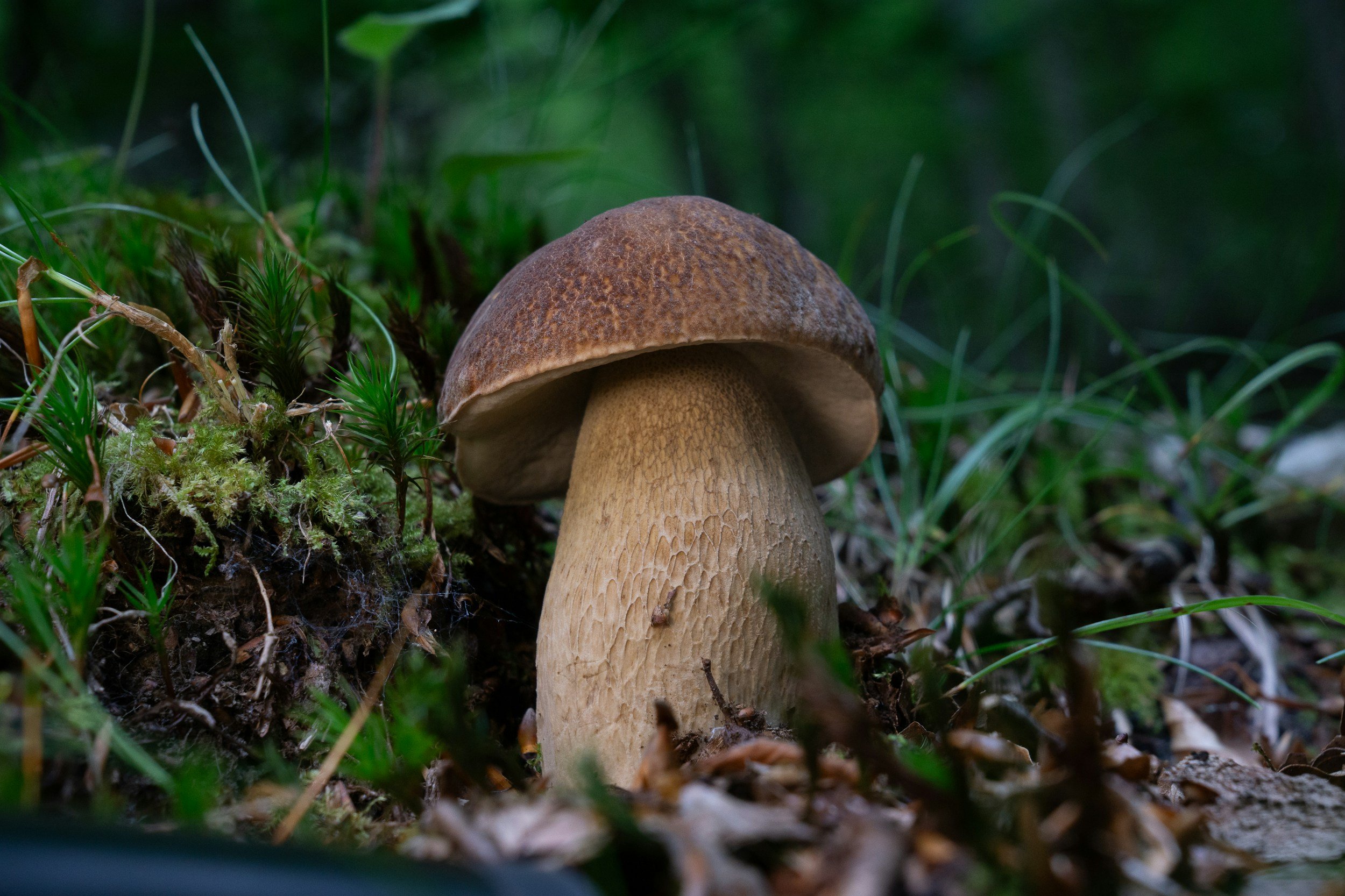
Turning Nature into an Asset Without Destroying It
Many landowners assume that wildlife habitat and profitability are opposing goals. In reality, healthy ecosystems can generate income while improving biodiversity, water quality, soil health, and property value. Whether you own 5 acres or 5,000 acres, wildlife habitat can become a productive asset that supports both conservation and rural economic development.
The key is managing the land sustainably so that harvests remain renewable and ecosystem functions remain intact.
Why Wildlife Habitat Has Economic Value
Natural ecosystems produce valuable resources and services including:
Timber
Grazing forage
Pollinators
Fish
Native plants
Seeds
Mushrooms
Tourism opportunities
Educational experiences
Carbon storage
Water filtration
Rather than viewing habitat as unused land, many landowners are discovering ways to generate multiple streams of income from the same acreage.
Sustainable Timber and Firewood Production
Woodlands can provide long-term income through:
Selective logging
Firewood sales
Fence posts
Sawlogs
Specialty hardwoods
Wood chips and mulch
Unlike clear-cutting, selective harvest systems maintain wildlife habitat while producing periodic income.
Fast-growing species such as cottonwood, willow, hybrid poplar, and certain pines can provide renewable wood resources while creating habitat for birds and pollinators.
Properly managed forests often increase in value over time while continuing to support recreation and wildlife.
Grazing Livestock in Wildlife-Friendly Systems
Many native grasslands evolved alongside large grazing animals.
Managed grazing can provide income from:
Cattle
Sheep
Goats
Bison
Poultry
Rotational grazing systems often improve:
Soil health
Water infiltration
Grass productivity
Wildlife diversity
When properly managed, grazing animals can reduce wildfire risk, control invasive species, and maintain open habitat preferred by many grassland birds.
Beekeeping and Honey Production
Honey bees can generate revenue through:
Honey sales
Beeswax
Pollination services
Queen bee production
Nucleus colony sales
Landowners who establish diverse native flowering habitats often produce healthier bee colonies and higher honey yields.
Native prairie flowers, wetlands, shelterbelts, and flowering trees can provide nectar throughout the growing season.
Native Pollinator Production
Growing demand exists for native pollinators used in agriculture and habitat restoration.
Examples include:
Bumble bees
Mason bees
Leafcutter bees
Potential income sources include:
Nesting materials
Managed pollinator colonies
Pollinator habitat consulting
Seed production for pollinator plantings
Because many native pollinators face population declines, responsible propagation can support both conservation and agricultural production.
Harvesting Queen Ants and Beneficial Insects
An emerging niche market exists for:
Queen ants
Ant colonies
Native beetles
Educational insect kits
Research specimens
Universities, educators, hobbyists, and biological suppliers may purchase legally collected insects.
Care should always be taken to:
Follow local regulations
Avoid harvesting rare species
Maintain sustainable collection levels
Some species can even be raised in captivity after initial collection.
Wild Plant Harvesting
Native habitats can produce valuable crops with little maintenance.
Examples include:
Edible Plants
Blackberries
Elderberries
Persimmons
Pawpaws
Wild plums
Groundnuts
Sunchokes
Cattails
Medicinal Plants
Echinacea
Yarrow
Elderflower
Goldenrod
Florist and Decorative Products
Prairie grasses
Dried flowers
Willow branches
Seed heads
Sustainable harvesting ensures plant populations remain healthy and productive for future generations.
Native Seed Production
One of the fastest-growing conservation industries involves native seed production.
Demand comes from:
Prairie restoration projects
Wetland restoration
Highway departments
Conservation organizations
Solar farm reclamation projects
Many native grass and wildflower species command premium prices due to limited supply.
Landowners with established prairie habitat may be able to harvest seed while improving plant diversity through active management.
Mushroom Production and Wild Mushroom Harvesting
Woodlands and shelterbelts can produce:
Morel mushrooms
Oyster mushrooms
Lion's Mane
Wine Cap mushrooms
Shiitake mushrooms
Income opportunities include:
Fresh mushroom sales
Dried mushrooms
Spawn production
Educational workshops
Foraging tours
Forest-based mushroom enterprises often generate significant revenue per acre compared to conventional agriculture.
Fish Production and Recreational Fishing
Ponds, wetlands, and streams can provide income through:
Recreational fishing access
Fish stocking services
Baitfish production
Aquaculture
Guided fishing trips
Species commonly raised include:
Bluegill
Catfish
Crappie
Bass
Fathead minnows
In some regions, invasive fish removal programs may create additional economic opportunities.
Ecotourism and Nature Tourism
Tourism is often one of the most profitable uses of wildlife habitat.
Examples include:
Bird Watching
Birders frequently travel long distances to observe rare species and migrations.
Wildlife Photography
Photographers seek access to locations with:
Waterfowl
Raptors
Deer
Pollinators
Wildflowers
Hunting Leases
Responsible hunting can provide income while helping manage wildlife populations.
Camping and Glamping
Natural settings are increasingly attractive to visitors seeking outdoor experiences.
Educational Tours
Topics may include:
Prairie ecology
Wetland restoration
Bird identification
Mushroom hunting
Pollinator conservation
Many landowners discover that visitors are willing to pay for experiences that require very little resource extraction.
Carbon Credits and Ecosystem Services
Some landowners earn income through environmental markets.
Potential opportunities include:
Carbon sequestration programs
Wetland mitigation
Water quality credits
Conservation easements
As environmental regulations and sustainability initiatives expand, ecosystem services may become an increasingly important source of rural income.
Agritourism and Farm Experiences
Wildlife habitat can complement traditional agriculture through:
Farm-to-table events
Nature festivals
Photography workshops
Pollinator tours
Harvest celebrations
Outdoor classrooms
These activities often create higher-value revenue streams than commodity production alone.
Building Multiple Income Streams
The most successful habitat businesses rarely depend on a single product.
A 100-acre property might generate income from:
Selective timber harvest
Honey production
Native seed sales
Fishing access
Bird watching tours
Camping
Wild berry harvests
Mushroom production
Together, these enterprises can provide greater resilience than relying on a single agricultural crop.
The Future of Profitable Conservation
As society places greater value on biodiversity, clean water, wildlife, and outdoor recreation, healthy ecosystems are becoming increasingly valuable economic assets.
Private landowners play a critical role in conservation because most wildlife habitat exists outside of parks and public lands.
By managing land responsibly, it is possible to generate income while creating habitat for birds, pollinators, fish, mammals, and future generations of people.
Conservation and profitability do not have to be competing goals. In many cases, the healthiest landscapes are also the most productive over the long term.