State Birds of the United States: America's Official Birds by Species
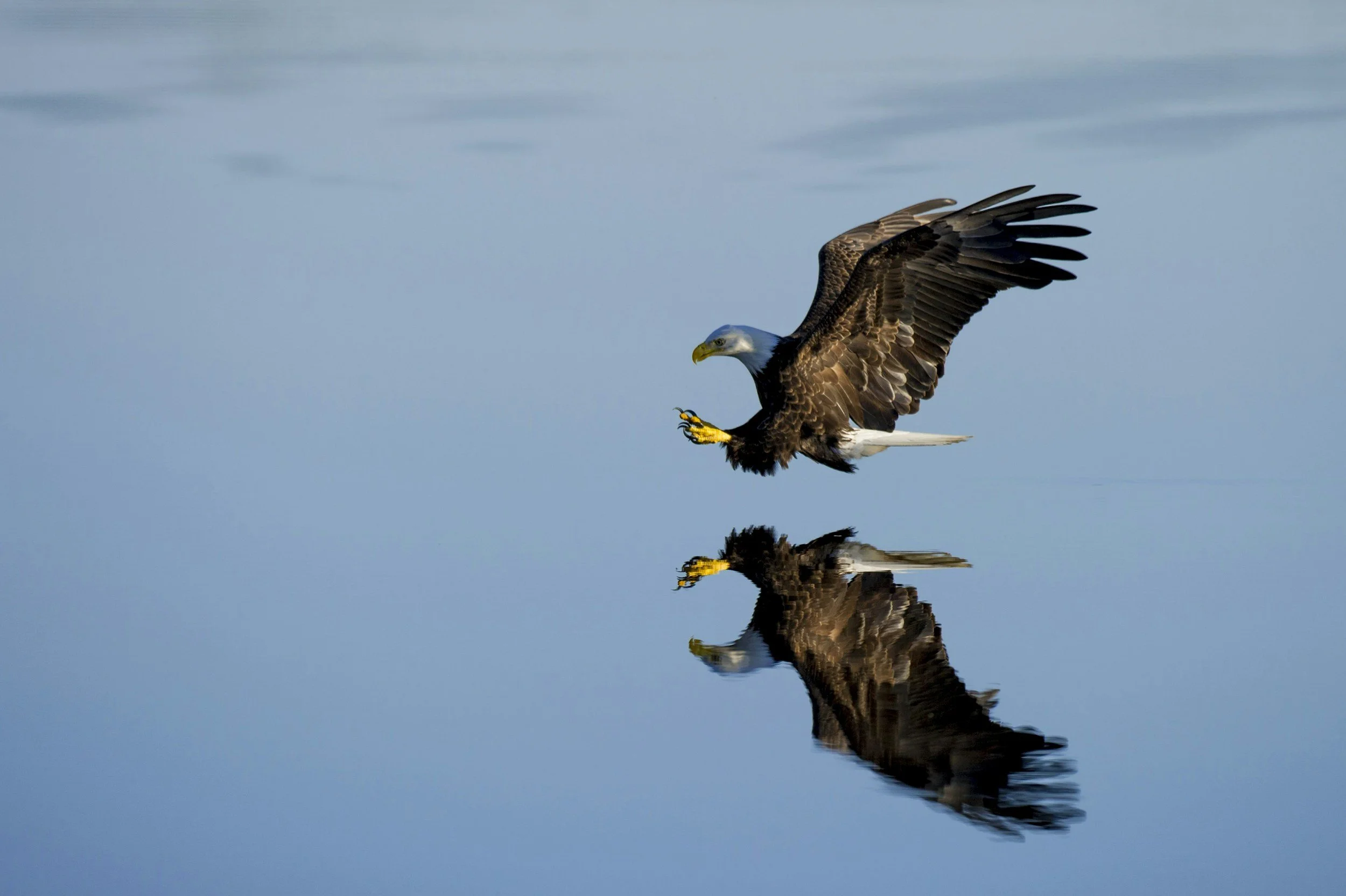
The Bald Eagle the National Bird of the United States of America
The United States has 50 state birds, but not 50 different bird species. Several birds are so beloved and widespread that multiple states have adopted them as official symbols. The bright red Northern Cardinal represents seven states, while the Western Meadowlark serves as the state bird of six Great Plains and western states.
This guide groups states that share the same bird and provides habitat, diet, and identification information for each species.
Northern Cardinal
States: Illinois, Indiana, Kentucky, North Carolina, Ohio, Virginia, West Virginia
Description: The Northern Cardinal is one of America's most recognizable songbirds. Males are brilliant red with a black face mask, while females are tan with reddish highlights.
Habitat: Woodland edges, shrublands, parks, farms, and suburban neighborhoods.
Diet: Seeds, berries, fruits, and insects. Sunflower seeds are a favorite food at bird feeders.
Western Meadowlark
States: Kansas, Montana, Nebraska, North Dakota, Oregon, Wyoming
Description: A medium-sized grassland bird with a bright yellow breast marked by a black "V." Famous for its beautiful flute-like song.
Habitat: Native prairie, rangelands, pastures, hay fields, and open grasslands.
Diet: Grasshoppers, beetles, caterpillars, spiders, and seeds.
Northern Mockingbird
States: Arkansas, Florida, Mississippi, Tennessee, Texas
Description: A gray songbird known for its remarkable ability to mimic dozens of other birds and sounds.
Habitat: Open woodlands, suburbs, parks, farms, and brushy habitats.
Diet: Insects, spiders, berries, and fruits.
American Robin
States: Connecticut, Michigan, Wisconsin
Description: A familiar bird with a red-orange breast and cheerful song that often signals the arrival of spring.
Habitat: Forests, parks, lawns, golf courses, and suburban landscapes.
Diet: Earthworms, insects, berries, and fruits.
Eastern Goldfinch (American Goldfinch)
States: Iowa, New Jersey
Description: A bright yellow finch with black wings and a cheerful, bouncing flight pattern.
Habitat: Prairies, meadows, gardens, roadsides, and weedy fields.
Diet: Seeds, especially thistles, sunflowers, asters, and native wildflowers.
Eastern Bluebird
States: Missouri, New York
Description: A small thrush with vivid blue upperparts and a rusty-orange breast.
Habitat: Open fields, orchards, pastures, and woodland edges.
Diet: Insects during summer and berries during winter.
Mountain Bluebird
States: Idaho, Nevada
Description: Males display brilliant sky-blue plumage, making them among North America's most striking birds.
Habitat: Mountain meadows, sagebrush plains, grasslands, and open country.
Diet: Insects, grasshoppers, beetles, and berries.
Black-capped Chickadee
States: Maine, Massachusetts
Description: A tiny, curious bird recognized by its black cap, black bib, and white cheeks.
Habitat: Mixed forests, woodlots, parks, and backyard feeders.
Diet: Insects, spiders, seeds, and berries.
Northern Flicker (Yellowhammer)
State: Alabama
Description: A large woodpecker with brown plumage and bright yellow feathers beneath the wings.
Habitat: Open forests, woodlots, parks, and suburban areas.
Diet: Primarily ants, along with beetles, fruits, and seeds.
Willow Ptarmigan
State: Alaska
Description: A grouse that turns white in winter and brown in summer for camouflage.
Habitat: Arctic tundra, willow thickets, and alpine habitats.
Diet: Willow buds, leaves, berries, and insects.
Cactus Wren
State: Arizona
Description: The largest wren in North America, often nesting in cactus plants.
Habitat: Sonoran Desert scrub and cactus forests.
Diet: Insects, spiders, fruits, and seeds.
California Quail
State: California
Description: A plump ground bird with a distinctive forward-curving topknot.
Habitat: Chaparral, oak woodlands, grasslands, and suburban areas.
Diet: Seeds, leaves, berries, and insects.
Lark Bunting
State: Colorado
Description: Colorado's state bird, with breeding males appearing almost entirely black except for white wing patches.
Habitat: Shortgrass prairie and open plains.
Diet: Seeds and insects.
Blue Hen Chicken
State: Delaware
Description: A historic domestic chicken associated with Delaware soldiers during the American Revolution.
Habitat: Farms and agricultural settings.
Diet: Grains, seeds, insects, and vegetation.
Brown Thrasher
State: Georgia
Description: A reddish-brown songbird capable of producing one of the largest song repertoires of any North American bird.
Habitat: Dense shrubs, hedgerows, and woodland edges.
Diet: Insects, seeds, berries, and fruits.
Nēnē (Hawaiian Goose)
State: Hawaii
Description: Hawaii's state bird and the world's rarest goose species.
Habitat: Grasslands, shrublands, lava fields, and volcanic slopes.
Diet: Grasses, leaves, flowers, and fruits.
Brown Pelican
State: Louisiana
Description: A large coastal bird famous for spectacular plunge-dives while fishing.
Habitat: Coastal marshes, estuaries, beaches, and bays.
Diet: Fish, shrimp, and crustaceans.
Baltimore Oriole
State: Maryland
Description: A brilliant orange-and-black songbird named after the colors of Lord Baltimore's coat of arms.
Habitat: Open woodlands, river corridors, and shade trees.
Diet: Insects, fruit, and nectar.
Common Loon
State: Minnesota
Description: Known for its haunting calls and exceptional diving ability.
Habitat: Clear northern lakes.
Diet: Fish, crayfish, frogs, and aquatic invertebrates.
Greater Roadrunner
State: New Mexico
Description: A fast-running desert bird capable of catching snakes and lizards.
Habitat: Deserts, scrublands, and arid grasslands.
Diet: Lizards, snakes, insects, rodents, and small birds.
Purple Finch
State: New Hampshire
Description: Males appear washed in raspberry-red coloration.
Habitat: Mixed and coniferous forests.
Diet: Seeds, buds, berries, and insects.
Scissor-tailed Flycatcher
State: Oklahoma
Description: Oklahoma's state bird, famous for its extraordinarily long forked tail.
Habitat: Grasslands, ranches, farmland, and open country.
Diet: Flying insects.
Ruffed Grouse
State: Pennsylvania
Description: A forest game bird known for the drumming sound produced by rapidly beating its wings.
Habitat: Young forests and woodland edges.
Diet: Buds, leaves, fruits, seeds, and insects.
Rhode Island Red
State: Rhode Island
Description: One of the world's most famous domestic chicken breeds.
Habitat: Farms and homesteads.
Diet: Grains, seeds, insects, and vegetation.
Carolina Wren
State: South Carolina
Description: A small bird with an oversized voice and an upturned tail.
Habitat: Forests, swamps, thickets, and gardens.
Diet: Insects, spiders, and berries.
Ring-necked Pheasant
State: South Dakota
Description: A colorful game bird introduced from Asia.
Habitat: Grasslands, croplands, shelterbelts, and prairie edges.
Diet: Seeds, grains, insects, and green vegetation.
California Gull
State: Utah
Description: Celebrated for helping Mormon settlers by feeding on crop-damaging insects.
Habitat: Lakes, reservoirs, wetlands, and shorelines.
Diet: Insects, fish, rodents, carrion, and scavenged food.
Hermit Thrush
State: Vermont
Description: Considered one of North America's finest singers.
Habitat: Forests, especially northern and mountain woodlands.
Diet: Insects, spiders, and berries.
American Goldfinch
State: Washington
Description: Washington recognizes the American Goldfinch, the same species known as the Eastern Goldfinch in some older references.
Habitat: Meadows, gardens, and open woodlands.
Diet: Seeds, particularly from native wildflowers and thistles.
State Birds by Habitat
Grassland Birds
Western Meadowlark
Lark Bunting
Scissor-tailed Flycatcher
Ring-necked Pheasant
Forest Birds
Northern Cardinal
Black-capped Chickadee
Hermit Thrush
Ruffed Grouse
Purple Finch
Wetland and Water Birds
Common Loon
Brown Pelican
California Gull
Desert Birds
Cactus Wren
Greater Roadrunner
Island Birds
Nēnē
Domestic Birds
Blue Hen Chicken
Rhode Island Red
Together, these birds represent nearly every major habitat in the United States, from Alaska's Arctic tundra and Hawaii's volcanic slopes to the tallgrass prairies of Kansas and the coastal marshes of Louisiana.