

The Environmental Cost of the World Cup, Olympics, and Major Sporting Events
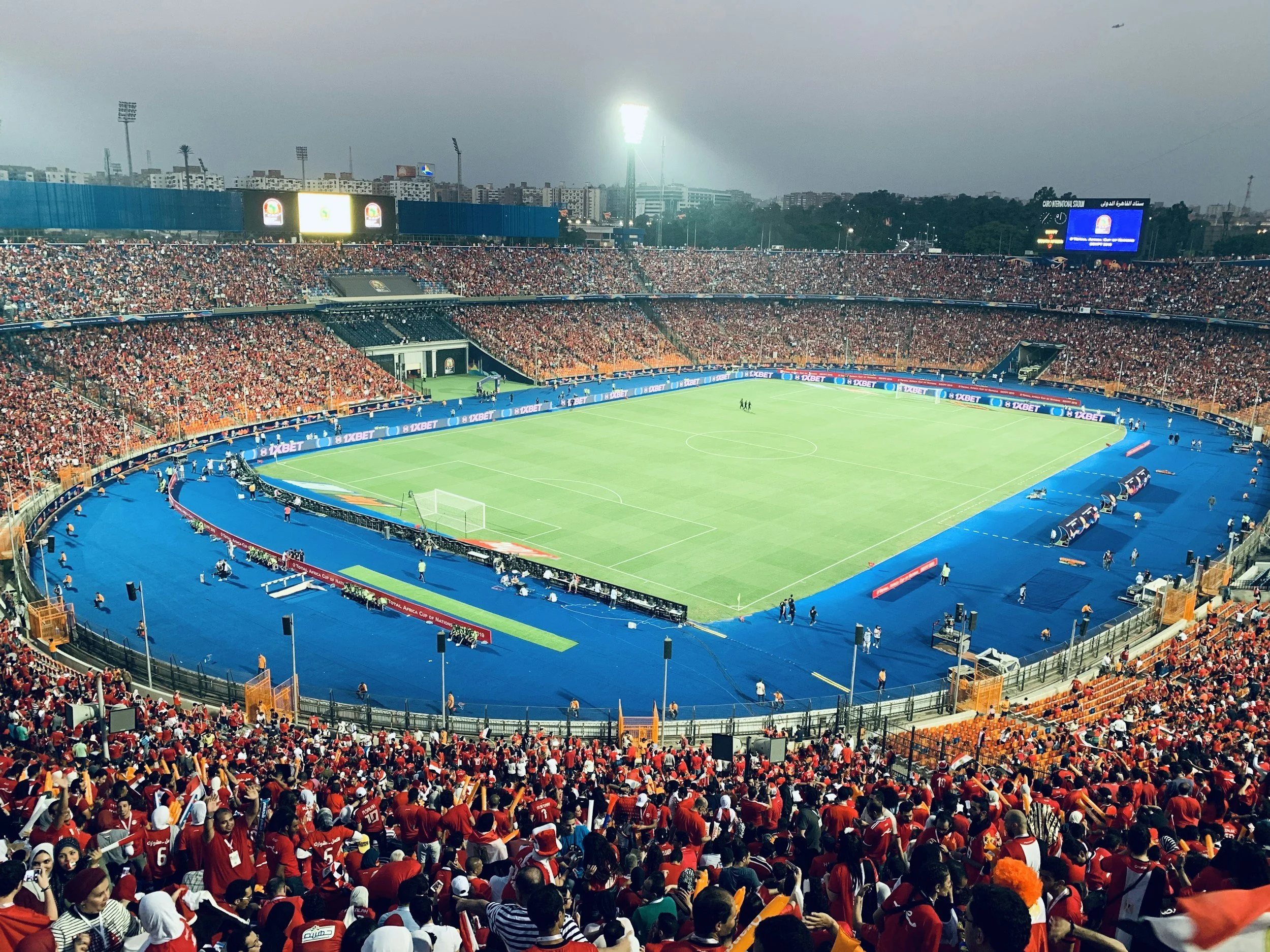
A Large Sports Event
When Sports Inspire Environmental Progress and When They Leave a Trail of Pollution
Every few years, the world's attention turns toward massive sporting events such as the FIFA World Cup, the Olympic Games, and other international competitions. Billions of people watch, nations invest enormous resources into hosting, and cities transform themselves to welcome athletes and visitors from around the globe.
These events create unforgettable moments of human achievement and cultural exchange. Yet they also carry a significant environmental footprint.
The environmental legacy of major sporting events is often a story of two extremes. In some cases, they have accelerated environmental restoration, urban cleanup, and investments in public transportation. In others, they have generated vast amounts of pollution, habitat destruction, and waste that linger long after the final medal is awarded.
The question is not whether sports affect the environment—they clearly do. The question is how the sports industry can become a force for ecological restoration rather than environmental degradation.
The Positive Side: When Sports Drive Environmental Improvements
Large sporting events can motivate governments and cities to solve environmental problems that have been neglected for decades.
One recent example occurred in Paris before the 2024 Olympics. For more than a century, swimming in the Seine River had been largely prohibited due to pollution. In preparation for Olympic competitions, France invested billions of dollars into improving wastewater systems, reducing sewage overflows, and restoring water quality.
While the work was not perfect, it represented one of the largest urban water restoration efforts in modern Europe. Investments that may have otherwise taken decades were accelerated because of the Olympics.
Similar improvements have occurred elsewhere:
Expansion of public transportation systems.
Cleanup of industrial waterfronts.
Restoration of urban parks and green spaces.
Improvements in wastewater treatment.
Redevelopment of abandoned industrial land.
In these situations, sporting events act as deadlines that encourage governments to complete projects that benefit residents long after visitors leave.
The Environmental Costs
Unfortunately, major sporting events often come with substantial environmental costs.
Air Travel
The largest source of emissions is frequently transportation.
Millions of spectators, athletes, journalists, and support staff travel by airplane to attend global events. A single international flight can produce more carbon emissions than many people generate in months.
The World Cup is particularly challenging because fans often travel repeatedly between multiple cities and countries during the tournament.
Construction Impacts
Many host cities build new stadiums, hotels, roads, parking lots, and other infrastructure.
This construction requires enormous quantities of:
Concrete
Steel
Glass
Asphalt
Plastics
The production of these materials generates significant greenhouse gas emissions.
Some stadiums become "white elephants"—expensive facilities that are rarely used after the event concludes.
Habitat Loss
Construction projects sometimes occur on natural landscapes.
Wetlands, grasslands, forests, and coastal ecosystems may be altered or destroyed to make room for development. These habitats often support wildlife populations and provide ecosystem services such as flood control and water filtration.
Once lost, these ecosystems can require decades to recover.
Waste Generation
Large sporting events generate tremendous amounts of waste:
Disposable food containers
Plastic bottles
Promotional materials
Temporary infrastructure
Construction debris
Even events that promote recycling frequently struggle with contamination and disposal challenges.
Water Consumption
Stadium maintenance, landscaping, sanitation, and tourism place additional demands on local water supplies.
This can become especially problematic in arid regions where water resources are already under stress.
The Hidden Environmental Opportunity
Despite these challenges, major sporting events possess an unusual characteristic: they attract global attention.
Few environmental initiatives receive the same level of visibility as a World Cup match or Olympic opening ceremony.
This creates an opportunity.
If organizers, athletes, sponsors, and fans embraced ecological restoration as part of the culture of sports, these events could become catalysts for environmental improvement worldwide.
How Sporting Events Could Leave Places Better Than They Found Them
Habitat Restoration Projects
Every major event could include a requirement to restore local ecosystems.
Examples include:
Wetland restoration
Native grassland establishment
River cleanup efforts
Urban tree planting
Pollinator habitat creation
Instead of simply offsetting emissions on paper, organizers could invest directly in local ecological health.
Native Landscaping Around Venues
Sports facilities often use decorative landscapes dominated by non-native ornamental plants.
Replacing these with native vegetation could:
Reduce water use
Support pollinators
Improve wildlife habitat
Lower maintenance costs
Visitors would also gain exposure to the natural heritage of the host region.
Ecological Volunteer Programs
Fans frequently travel days before events begin.
Imagine if visitors could participate in:
Tree planting projects
Prairie restoration
Beach cleanups
Wildlife habitat improvement
Community gardens
Even a small percentage of attendees could contribute thousands of volunteer hours.
Sustainable Food Systems
Sporting venues serve enormous quantities of food.
Host cities could prioritize:
Local farmers
Regenerative agriculture
Native food crops
Reduced food waste
Composting programs
This would strengthen local economies while reducing transportation impacts.
Wildlife-Friendly Infrastructure
New developments could be designed with biodiversity in mind.
Examples include:
Bird-safe glass
Pollinator gardens
Green roofs
Rain gardens
Wildlife corridors
Urban wetlands
Sports infrastructure could become part of ecological networks rather than barriers to them.
Learning From Nature's Greatest Sporting Events
Long before humans built stadiums, nature hosted its own spectacles.
The migration of cranes across Kansas, the spawning runs of salmon, and the seasonal movements of countless species are among the greatest athletic events on Earth.
Unlike many human events, these natural gatherings help sustain ecosystems rather than degrade them. Nutrients are transported across landscapes, seeds are dispersed, and ecological relationships are strengthened.
Human sports will never be entirely impact-free, but they can learn from this principle: great gatherings should leave systems healthier, not weaker.
A New Goal for Global Sports
The success of a sporting event is usually measured by ticket sales, television ratings, medals, and economic activity.
Perhaps it is time to add another statistic.
How many acres of habitat were restored?
How much water quality improved?
How many trees survived five years after planting?
How much biodiversity increased?
Imagine a future where every World Cup, Olympic Games, and international tournament leaves behind cleaner rivers, healthier ecosystems, stronger communities, and more resilient landscapes.
The world's greatest competitions could become more than celebrations of athletic excellence. They could become celebrations of environmental stewardship as well.
That would be a victory worth remembering long after the final whistle.