

Bringing Farming into the Future: Unlocking the True Value of Farmland
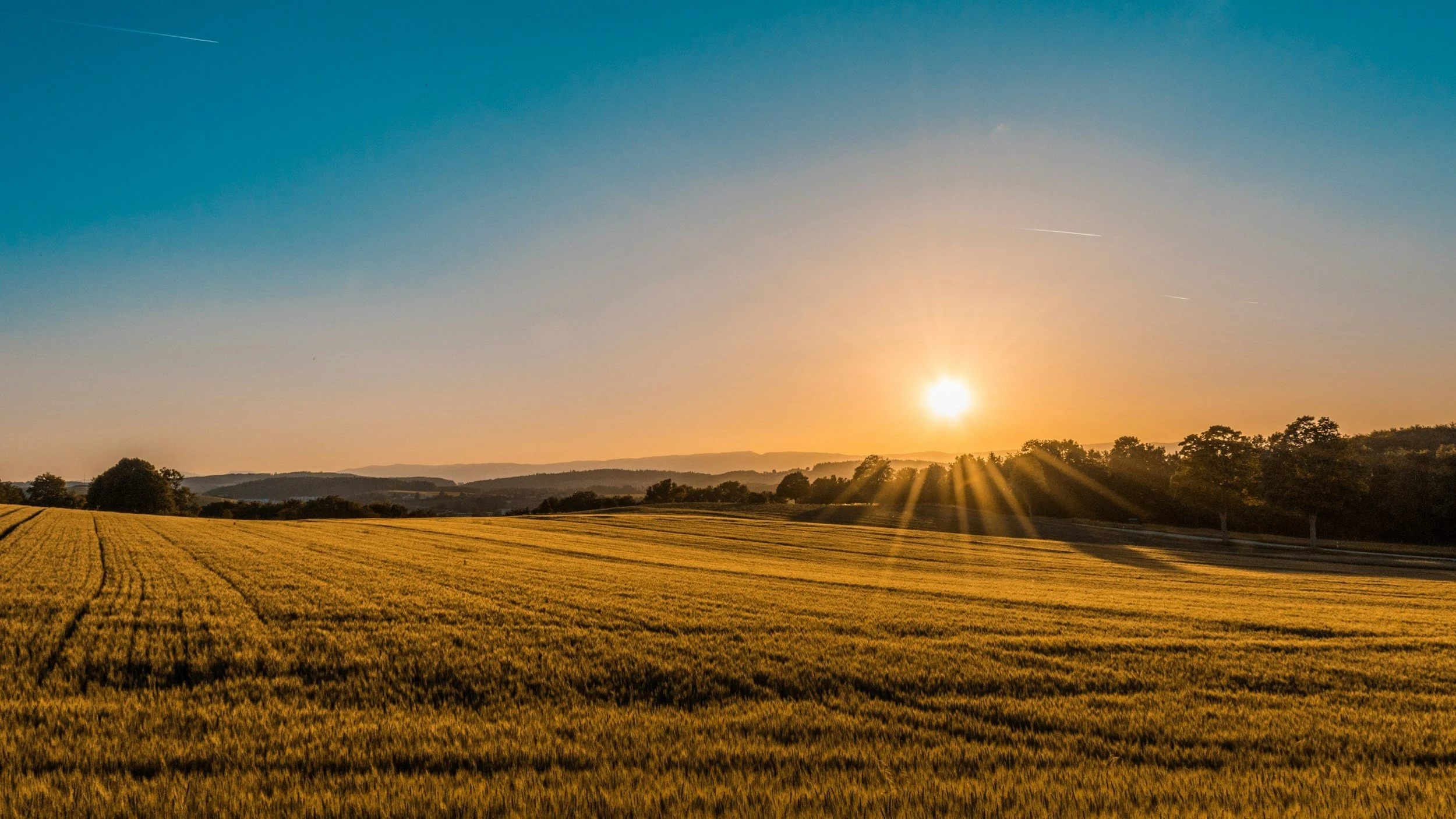
Fields of Grain
For generations, many farms have relied on producing a small variety commodities corn, wheat, soybeans, or cattle. While these products remain essential, today's economic realities have made it increasingly difficult for many family farms to survive on commodity production alone.
The future of agriculture lies not in abandoning traditional farming, but in expanding what a farm can produce. Modern farms can generate income through food, tourism, education, conservation, specialty products, and renewable natural resources, creating businesses that are more resilient, profitable, and environmentally sustainable.
The True Value of Land
Farmland is often valued only by its crop yield or grazing capacity. In reality, every acre has the potential to provide dozens of valuable products and services.
A healthy farm can produce:
Food
Timber
Mushrooms
Honey
Native seeds
Medicinal plants
Fish
Livestock
Specialty fruits and nuts
Pollinator habitat
Wildlife viewing
Recreational opportunities
Carbon storage
Water filtration
Educational experiences
Rather than asking, "What crop grows best here?" the better question is, "What combination of products and experiences can this land sustainably provide?"
Diversification Creates Stability
Markets fluctuate. Weather changes. Pests arrive unexpectedly.
Farms with multiple income sources are better equipped to weather difficult years than those relying on a single crop.
Examples of diversified farm income include:
Fresh produce
Orchards
Specialty mushrooms
Honey and beeswax
Native plants
Pastured poultry
Fish farming
Farm-raised insects
Firewood
Herbal products
Cut flowers
Seed production
Instead of depending on one harvest each year, diversified farms can generate income throughout every season.
Agritourism: Bringing People Back to the Farm
Many people have never experienced life on a working farm. Agritourism reconnects families with agriculture while providing farmers with additional income.
Popular agritourism activities include:
Farm stays
Camping
U-pick orchards
Pumpkin patches
Sunflower fields
Bird watching
Wildlife photography
Nature trails
Educational workshops
School field trips
Farm-to-table dinners
Farmers markets
Harvest festivals
Visitors don't simply purchase products; they purchase memories and experiences.
High-Quality Products Over Commodity Volume
Consumers increasingly seek products with a story.
Locally grown foods often command higher prices because customers appreciate freshness, quality, sustainability, and knowing the people who produced them.
Examples include:
Artisan honey
Heritage fruits
Native nuts
Specialty mushrooms
Herbal teas
Small-batch preserves
Unique vegetables
Native berries
Edible flowers
Quality meats
Fresh eggs
Wildcrafted foods
Producing less volume but higher value products can often be more profitable than maximizing commodity production alone.
Working With Nature Instead of Against It
Healthy ecosystems support productive farms.
Native grasslands, wetlands, forests, and pollinator habitat improve agricultural resilience by:
Supporting pollinators
Reducing erosion
Improving water quality
Increasing wildlife diversity
Controlling pests naturally
Building healthier soils
Storing water during droughts
Reducing flooding
Conservation and agriculture do not have to compete; they can strengthen one another.
Technology Meets Tradition
The future farm combines generations of agricultural knowledge with modern technology.
Emerging tools include:
Precision agriculture
Soil sensors
Drone mapping
GPS-guided equipment
Smart irrigation
Weather forecasting
Online direct marketing
Technology should help farmers make better decisions while reducing waste and protecting natural resources.
Building Rural Communities
Thriving farms support thriving communities.
Successful local agriculture creates jobs in:
Food processing
Restaurants
Tourism
Construction
Transportation
Equipment repair
Hospitality
Education
Conservation
Outdoor recreation
When farms become destinations rather than simply production sites, nearby towns also benefit from increased economic activity.
The Future Farmer
Tomorrow's farmer is more than a producer of crops.
They are:
Business owners
Conservationists
Educators
Land stewards
Tourism operators
Food innovators
Wildlife managers
Community leaders
By embracing diversity, sustainability, and entrepreneurship, farmers can create operations that are more profitable, more resilient, and better prepared for future generations.
Conclusion
The future of farming is not about producing more of the same it is about recognizing the full potential of the land. Every acre has the capacity to provide food, habitat, education, recreation, and economic opportunity when managed thoughtfully.
The farms that thrive in the decades ahead will be those that diversify their products, welcome their communities, care for their ecosystems, and understand that healthy land is their greatest long-term investment.
Agriculture has always adapted to changing times. The next chapter is one where farms become not only places that feed the world, but also places that inspire people, restore nature, and strengthen rural economies.