Kansas: The Firefly State
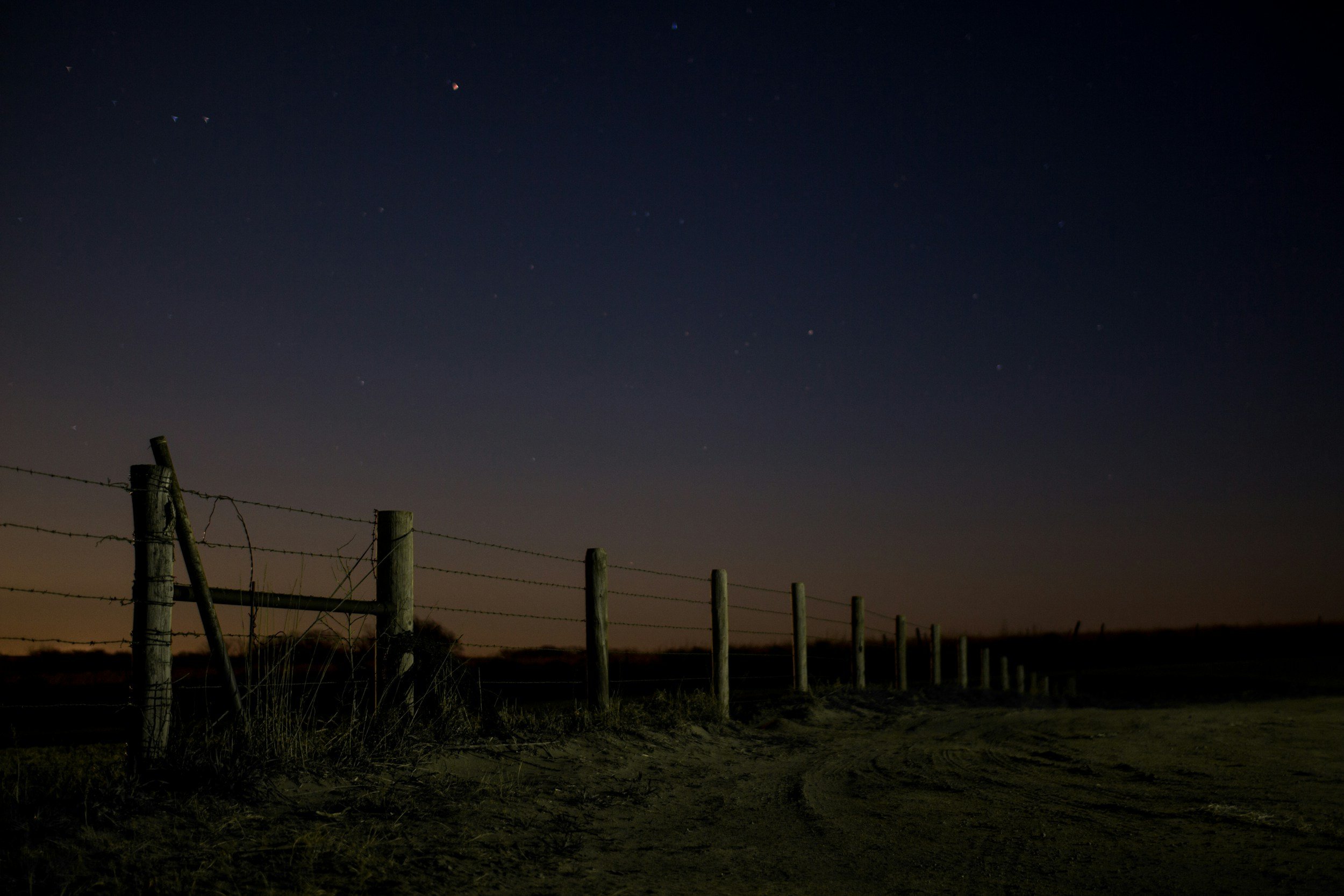
Every summer, as the sun sinks below the prairie horizon, thousands of tiny lights begin to dance above Kansas fields, wetlands, forests, and streams. For a few magical weeks each year, the landscape comes alive with flashing signals as fireflies search for mates and fill warm evenings with one of nature's greatest light shows.
Kansas has long been known as the Sunflower State, but it could just as fittingly be called The Firefly State. Thanks to its remarkable diversity of habitats, from tallgrass prairie and sand prairie to woodlands, wetlands, rivers, and native grasslands. Kansas supports an impressive variety of fireflies and provides some of the finest firefly viewing opportunities in North America.
A Hidden Diversity
Most people think of fireflies as a single insect, but Kansas is home to dozens of species. Each has its own unique flashing pattern, preferred habitat, and breeding season.
Some species produce slow yellow-green flashes over open meadows, while others fly through woodland edges with rapid blinking displays. A few species glow continuously rather than flashing, and their larvae also produce light, earning them the nickname "glowworms."
Scientists continue to study Kansas fireflies, and new records are still being documented, meaning there is much left to discover about the state's remarkable lightning bug diversity.
Where Fireflies Live
Fireflies thrive where healthy ecosystems remain intact. In Kansas they are commonly found in:
Native tallgrass and mixed-grass prairies
Wet meadows
Marshes and wetlands
Pond edges
Woodland clearings
Creek and river corridors
Shelterbelts
Parks and natural areas
Rural farms with little artificial lighting
Firefly larvae spend months to years living in moist soil or leaf litter, feeding on snails, slugs, worms, and other small invertebrates. Healthy soils and abundant moisture are essential for maintaining strong populations.
Why Kansas Is Ideal
Kansas sits where eastern forests meet the Great Plains, creating an overlap of habitats that supports both eastern and western species.
The state also offers:
Vast areas of native prairie
Thousands of farm ponds
Extensive wetland complexes
Long warm summers
Rich river systems
Large areas with relatively low light pollution
These conditions make Kansas one of the best places in the country to enjoy natural firefly displays.
The Best Time to Watch
Fireflies usually begin appearing in late May, with the greatest activity during June and early July. In wetter years, displays may continue well into August.
The best viewing conditions include:
Warm evenings
High humidity
Little or no wind
Clear or partly cloudy skies
About 30–60 minutes after sunset
Most species remain active for one to three hours after darkness falls.
The Best Places to Look
Excellent firefly habitat can be found across Kansas, especially around:
Native prairies
Wetlands
Wildlife refuges
Quiet country roads
Farm ponds
Nature preserves
Forest edges
Streams bordered by native vegetation
Anywhere with healthy native plants and minimal nighttime lighting can become an excellent viewing location.
Tips for Viewing Fireflies
Watching fireflies is simple, but a few practices make the experience much more enjoyable.
Allow your eyes 20–30 minutes to adjust to the darkness.
Turn off flashlights whenever possible.
If light is needed, use a flashlight with a red filter.
Wear long pants and insect repellent where mosquitoes are present.
Stay on established trails to avoid damaging habitat.
Watch quietly, many species become more active when disturbances are minimal.
Bring binoculars only if observing perched individuals; most displays are best appreciated with the naked eye.
Avoid catching fireflies unless participating in scientific research, and release any individuals immediately after observation.
Creating Firefly Habitat
Anyone can encourage more fireflies by making their yard or farm more wildlife-friendly.
Helpful practices include:
Plant native grasses and wildflowers.
Reduce unnecessary mowing.
Leave patches of leaf litter.
Avoid broad-spectrum insecticides.
Protect moist soils.
Preserve wetlands and pond edges.
Reduce outdoor lighting during summer evenings.
Maintain brushy field edges and native vegetation.
Even a small wildlife garden can become home to fireflies.
More Than Just Beautiful
Fireflies are valuable members of Kansas ecosystems.
Their larvae help regulate populations of snails, slugs, and other small invertebrates. They also serve as food for birds, spiders, frogs, reptiles, bats, and other wildlife. Because they require clean, healthy habitats, thriving firefly populations often indicate a healthy environment.
Their spectacular courtship displays also inspire people to spend time outdoors, fostering appreciation for nature and supporting outdoor recreation and ecotourism.
A Symbol of Kansas
The sunflower will always represent Kansas agriculture and resilience, but the firefly represents something equally important: healthy landscapes, clean water, dark night skies, and thriving wildlife.
Imagine summer festivals celebrating the annual emergence of fireflies, guided evening walks through native prairies, educational programs for children, and visitors traveling across the Midwest to witness one of nature's most captivating displays.
Kansas already possesses the landscapes. By protecting natural habitats and reducing light pollution, it can preserve this extraordinary spectacle for generations to come.
Perhaps it is time for people to think of Kansas not only as The Sunflower State, but also as The Firefly State a place where summer nights still sparkle with living light.