

Harvesting and Preserving Chili Peppers: From Garden to Pantry
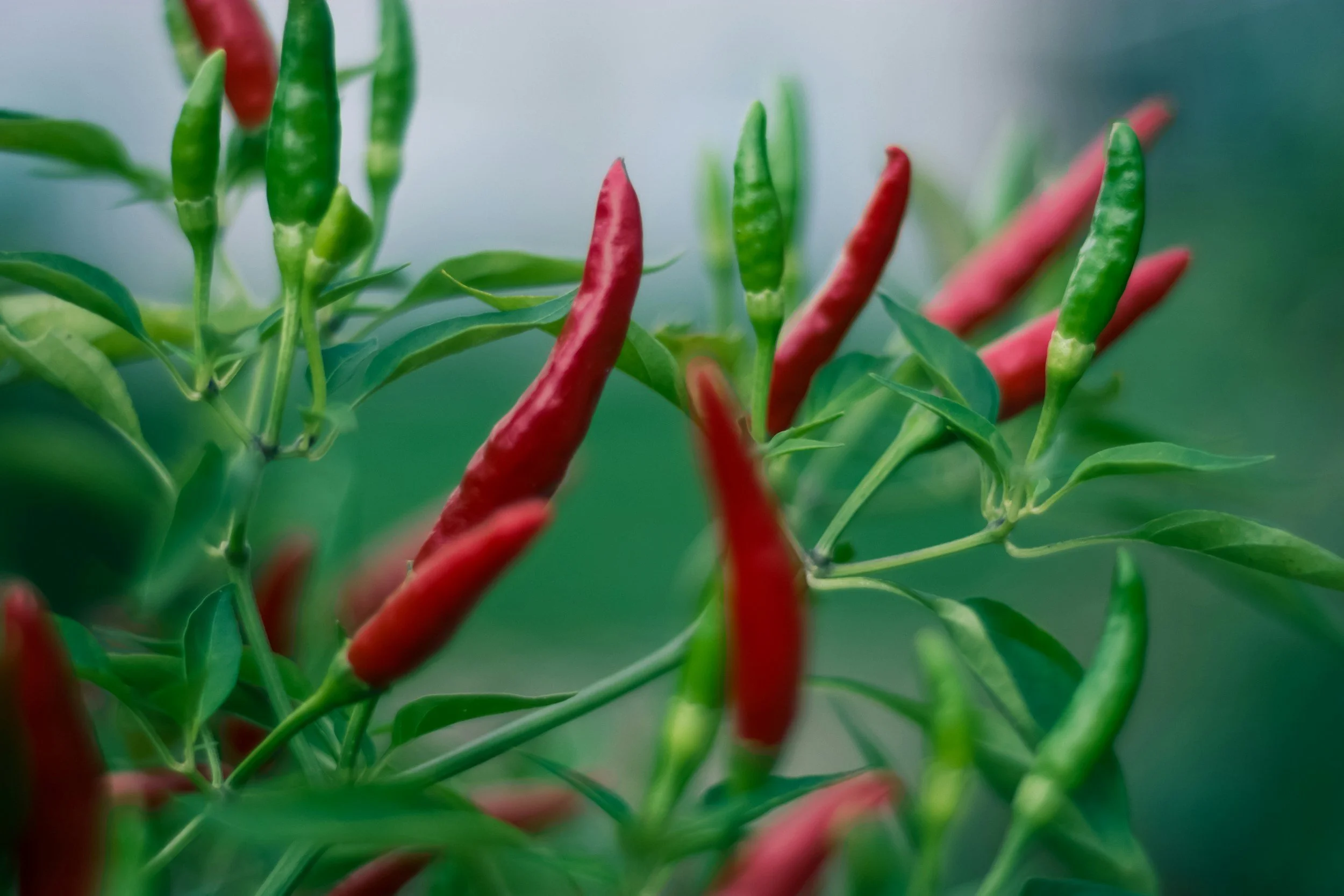
Thia Chili Peppers
Fresh chili peppers are one of the most rewarding crops to grow. Whether you prefer sweet peppers, mild chiles, or intensely hot varieties, one of their greatest advantages is that they can be harvested at virtually any stage of development. As peppers ripen, their flavor, sweetness, heat, and aroma all change, giving gardeners multiple harvest opportunities from a single plant.
Learning how to harvest, dry, roast, and process peppers allows you to enjoy your harvest year-round while creating unique seasonings that are impossible to buy in stores.
Harvesting Chili Peppers
Like many vegetables, chili peppers do not have a single "correct" harvest time.
Most pepper varieties begin green before gradually changing color as they mature. Depending on the variety, ripe peppers may become:
Red
Orange
Yellow
Brown
Purple
Chocolate-colored
Nearly black
Each stage produces a different culinary experience.
Green Peppers
Green peppers are typically:
Firmer and crisper
More herbaceous and grassy
Less sweet
Often slightly bitter
Sometimes milder in heat, although this varies by variety
Green peppers are excellent for stir-fries, grilling, pickling, and fresh cooking.
Fully Ripe Peppers
As peppers ripen they often become:
Sweeter
More aromatic
Richer in flavor
Softer in texture
More colorful
Many varieties also continue developing capsaicin during ripening, producing greater heat, although the degree varies depending on genetics and growing conditions.
For peppers intended for drying or making powders, fully ripe fruit generally produces the richest flavor.
Drying Chili Peppers
One of the easiest and most effective preservation methods is dehydrating peppers whole.
Simply:
Harvest healthy peppers.
Wash and dry them thoroughly.
Arrange them in a single layer on dehydrator trays.
Dry until they become completely brittle.
Smaller peppers can often be dried whole. Very large or thick-fleshed peppers may dry more quickly if cut in half.
Properly dried peppers should contain virtually no remaining moisture. Once cooled, store them in airtight containers away from heat, moisture, and direct sunlight.
Properly dehydrated peppers can remain usable for years.
Drying Changes Flavor
Dehydration is not simply preservation, it transforms peppers.
Removing moisture concentrates:
Natural sugars
Heat
Fruity aromas
Earthy flavors
Many peppers become noticeably richer and more complex after drying. Some develop smoky, raisin-like, berry-like, or even chocolate-like flavors depending on the variety.
This is one reason dried peppers are prized in cuisines around the world.
Roasting Dried Peppers
Before cooking with dried peppers, many recipes recommend lightly roasting them.
A quick toast in a dry skillet or over gentle heat helps:
Intensify aroma
Develop deeper roasted flavors
Release flavorful oils
Add complexity to sauces and stews
Care should be taken not to burn the peppers, as burnt peppers become bitter.
Rehydrating Dried Peppers
Whole dried peppers can easily be returned to a soft texture.
Simply soak them in hot water for 15–30 minutes until pliable.
Once rehydrated they can be used much like fresh peppers in recipes including:
Soups
Chili
Stews
Salsa
Enchilada sauces
Mole
Curries
The soaking liquid often contains dissolved flavors and can also be incorporated into recipes.
Making Chili Powders and Flakes
Another popular option is grinding dried peppers into flakes or powder.
Depending on the pepper variety, ripeness, and preparation, this can produce:
Paprika
Chili flakes
Cayenne powder
Chipotle powder
Ancho powder
Guajillo powder
Custom spice blends
The same pepper harvested at different stages of ripeness can produce noticeably different powders, ranging from bright, grassy flavors to deep, sweet, smoky, or fruity seasonings.
Many gardeners create their own signature blends by combining several pepper varieties harvested at different stages of maturity.
Storage Tips
For the longest shelf life:
Store dried whole peppers before grinding whenever possible.
Grind only what you expect to use over the next few months.
Keep powders in airtight containers.
Store spices in a cool, dark location.
Avoid exposure to moisture and sunlight.
Whole dried peppers retain their flavor longer than ground powders because less surface area is exposed to oxygen.
A Pantry Full of Possibilities
Growing chili peppers offers tremendous culinary flexibility. A single harvest can provide fresh peppers for cooking, dried peppers for long term storage, flavorful roasted peppers for traditional recipes, and homemade powders that capture the unique characteristics of each variety.
Whether you enjoy mild paprika peppers or fiery super-hot chiles, harvesting peppers at different stages of ripeness and preserving them through dehydration allows you to enjoy an incredible diversity of flavors long after the growing season has ended.