

Harvesting and Preserving Tomatoes: From Vine to Pantry
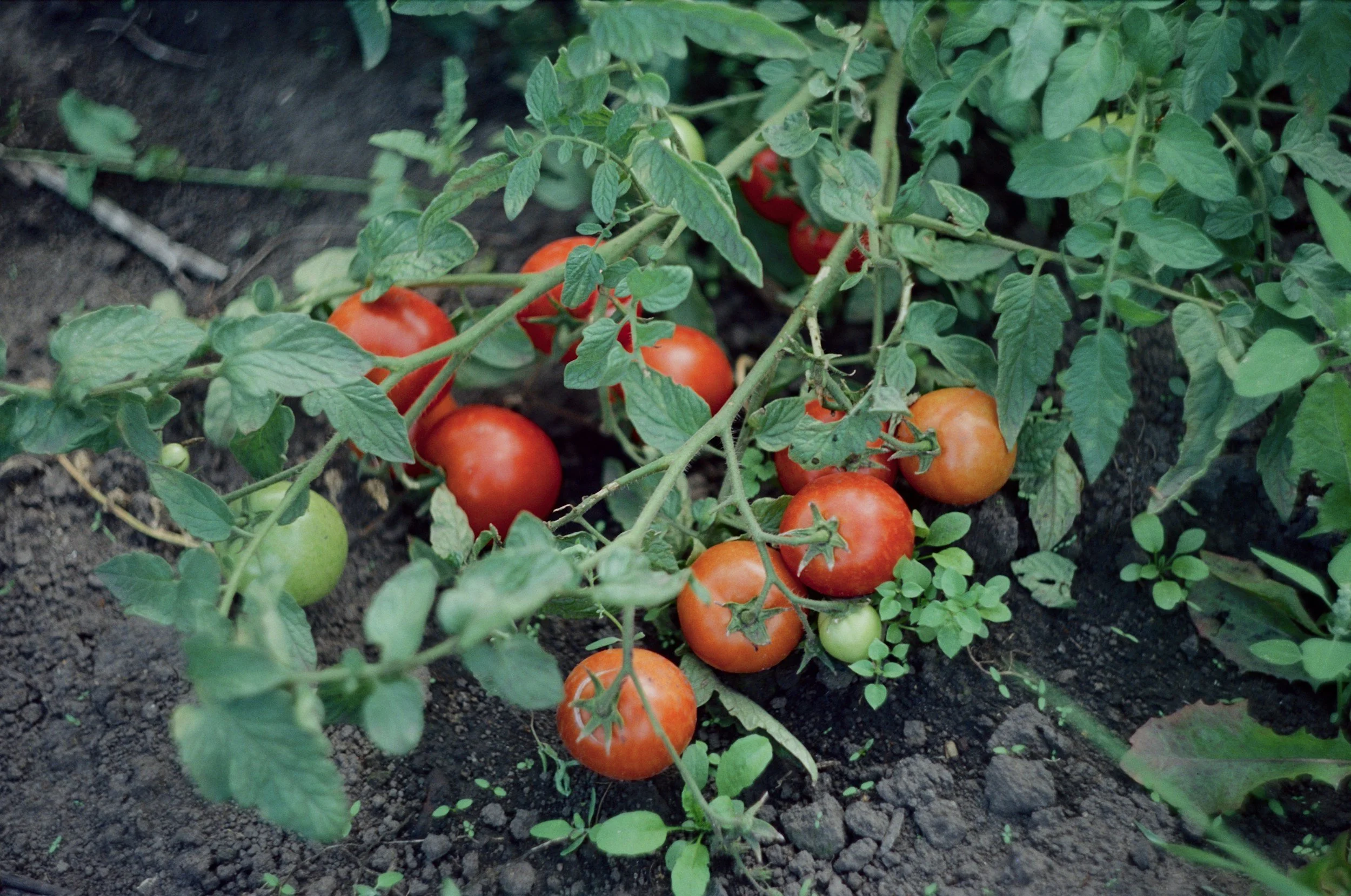
Few garden crops are as rewarding as a homegrown tomato. Whether you grow cherry tomatoes, slicers, or rich paste tomatoes, learning when to harvest and how to preserve them allows you to enjoy their flavor throughout the year. Dehydrating tomatoes is one of the simplest and most effective preservation methods, producing an intensely flavored ingredient that can be used in countless recipes.
Knowing When to Harvest
Tomatoes can be harvested at nearly any stage of ripeness, but their flavor, texture, and sweetness change dramatically as they mature.
One of the most important stages for gardeners is the breaker stage (sometimes called the break-away stage). At this point, the tomato has just begun changing from green to its mature color, with roughly 10–30% of the fruit showing red, orange, yellow, purple, or another ripe color depending on the variety.
Once a tomato reaches the breaker stage, it has already received nearly all of its nutrients from the vine. It can safely finish ripening indoors with very little loss in quality. Harvesting at this stage reduces losses from birds, insects, cracking, hail, and disease while still producing excellent flavor.
Fully vine-ripened tomatoes generally develop the richest flavor, but breaker-stage tomatoes are often the best compromise between quality and protecting your harvest.
Preserving Tomatoes by Drying
Drying concentrates a tomato's natural sugars, acids, and savory compounds, creating an entirely new flavor profile. Properly dried tomatoes become sweet, tangy, rich, and intensely flavorfull.
To prepare tomatoes for drying:
Wash and remove any damaged portions.
Slice large tomatoes into even slices or halves. Cherry tomatoes may be halved.
Sprinkle very lightly with salt. A small amount of salt helps draw out moisture while enhancing flavor without making the finished product overly salty.
Arrange the tomatoes in a single layer on dehydrator trays.
Dry until they are completely crisp.
The drying time varies depending on tomato size, thickness, and dehydrator temperature.
How Drying Changes Flavor
Fresh tomatoes contain over 90% water. As that water is removed, the natural sugars, organic acids, and umami compounds become concentrated.
The result is a product that tastes sweeter, richer, and more robust than fresh tomatoes. Many people find dried tomatoes have a deeper, almost roasted flavor that works especially well in soups, sauces, breads, and pasta dishes.
Rehydrating Dried Tomatoes
Dried tomatoes are easy to bring back to life.
Simply soak them in warm water for 20 to 30 minutes until softened. Once rehydrated, they can be chopped and used much like fresh tomatoes in soups, stews, pasta sauces, casseroles, and countless other recipes.
The soaking liquid also absorbs tomato flavor and can be added to soups or sauces instead of being discarded.
Preserving Tomatoes in Oil
Another popular option is to soak fully dried tomatoes in olive oil. As they absorb the oil, they become tender and flavorful, making an excellent addition to sandwiches, pizzas, salads, charcuterie boards, and antipasto platters.
For food safety, tomatoes packed in oil should be refrigerated unless they have been processed using approved preservation methods.
Making Tomato Powder
One of the most versatile ways to use dehydrated tomatoes is to grind them into a fine powder using a strong blender, food processor, or spice grinder.
Tomato powder stores well in airtight containers and can be used as:
A seasoning for popcorn, roasted vegetables, potatoes, eggs, and meats.
A flavorful addition to spice blends and dry rubs.
A thickener and flavor booster for soups and stews.
The base for instant tomato soup.
The foundation for homemade tomato sauce by mixing it with water.
Because the flavor is highly concentrated, a small amount of tomato powder goes a long way.
A Pantry Staple Worth Making
Dehydrated tomatoes transform one of summer's most abundant crops into a shelf-stable ingredient with endless culinary uses. Whether you rehydrate them for cooking, preserve them in oil, or grind them into a flavorful powder, drying captures the essence of fresh tomatoes in a compact, long-lasting form.
With a dehydrator and a successful tomato harvest, you can enjoy the taste of your garden long after the growing season has ended.