

Harvesting and Preserving Walking Onions: A Year-Round Perennial Vegetable
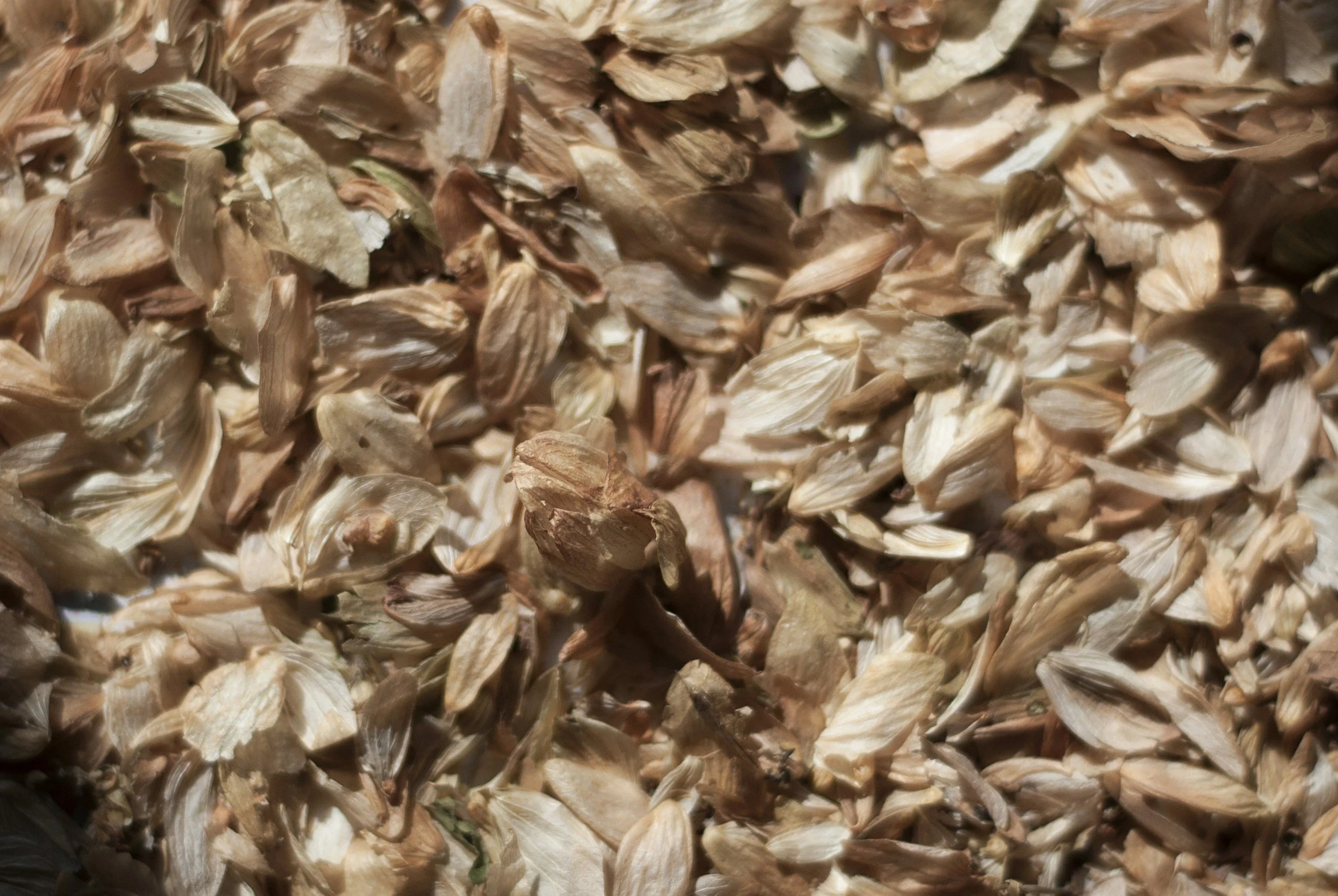
Dried Onion Flakes
Walking onions (also called Egyptian walking onions or tree onions) are one of the most productive vegetables a gardener can grow. Unlike common onions, they are perennial, surviving winter temperatures well below -30°F (-34°C) and returning year after year with almost no care. Every part of the plant is edible, and each season offers a different harvest with its own flavor and culinary uses.
For gardeners looking to produce food with minimal work, walking onions are hard to beat. A single planting can provide fresh onions nearly every month of the year while continually multiplying.
A Unique Onion with Ancient Origins
Walking onions are believed to be a natural hybrid between bulb onions (Allium cepa) and bunching onions (Allium fistulosum). Instead of producing flowers and seeds, they develop clusters of miniature onions, called topsets, at the top of their stalks.
As the topsets become heavy, the stalk bends to the ground, where the bulbils root and form new plants. This unusual habit gives them the appearance of "walking" across the garden over the years.
Because they rarely produce viable seed, walking onions are propagated almost entirely by dividing bulbs or planting topsets. Many garden patches have been passed from one generation to another for decades.
Harvest Throughout the Year
One of the greatest advantages of walking onions is that different parts of the plant are harvested at different times.
Winter and Early Spring: Tender Greens
As soon as temperatures begin to warm, walking onions are often among the first vegetables to emerge. In mild winters they may remain green all season.
The hollow leaves have a fresh onion flavor similar to green onions or chives and can be harvested repeatedly without harming the plant, as long as several leaves remain.
Use the greens:
Fresh on salads
Mixed into scrambled eggs
In soups
Stir-fries
Baked potatoes
Homemade herb blends
The greens also dehydrate exceptionally well and can be crushed into onion flakes or ground into a green onion powder.
Spring: Underground Bulbs
In spring, mature plants produce clusters of small underground bulbs that resemble shallots.
These bulbs have a stronger, sweeter flavor than the greens and can be:
Sautéed whole
Roasted
Pickled
Used like pearl onions
Chopped into nearly any savory dish
Peeled and sliced, they also dry beautifully for long-term storage.
Once dehydrated they can be:
Rehydrated for cooking
Used as dried onion flakes
Ground into flavorful onion powder
Early Summer: Onion Stalks
Before the topsets fully mature, the thick flowering stalks remain tender.
These can be harvested while still flexible and sliced into rings much like scallions.
Their flavor is mild with a pleasant sweetness and they are excellent in:
Stir-fries
Soups
Fried rice
Pasta dishes
Omelets
Grilled vegetables
The stalk rings also dehydrate well and become a flavorful ingredient for soups, seasoning blends, and homemade soup mixes.
Summer Through Fall: Topsets
By mid to late summer the topsets reach full size.
These miniature onions are one of the most versatile harvests from the plant.
Fresh topsets can be:
Planted immediately
Pickled
Roasted whole
Added to stews
Used like pearl onions
For storage they can be cured much like storage onions by allowing them to dry in a warm, well-ventilated location until their outer skins become papery.
Properly cured topsets can often be stored for several months.
Peeled and quartered, they also dehydrate exceptionally well.
Dried topsets can be:
Rehydrated for cooking
Used whole in soups
Crushed into onion flakes
Ground into premium onion powder with a rich, concentrated flavor
Dehydrating Walking Onions
Nearly every edible part of the walking onion can be preserved in a dehydrator.
Excellent candidates include:
Green leaves
Underground bulbs
Tender stalk rings
Mature topsets
Drying concentrates the natural sugars and savory compounds, creating a deeper onion flavor than fresh onions.
Once completely dry, they can be stored whole or processed into:
Onion flakes
Fine onion powder
Seasoning blends
Soup bases
Dry rubs
Bread and cracker seasonings
Because all portions of the plant can be harvested throughout the growing season, a single patch can produce a steady supply of dried onion products year after year.
One of the Hardiest Garden Vegetables
Walking onions are among the toughest edible plants available.
They tolerate:
Severe winter cold
Summer heat
Drought once established
Poor soils
Neglect
Unlike annual onions that require replanting every year, walking onions become more productive over time. Each mature plant eventually divides underground while producing additional topsets, allowing the patch to slowly expand.
Gardeners can simply harvest the excess bulbs to keep the patch the desired size.
A Perennial Pantry
Walking onions are more than just another onion, they are a self-renewing food crop capable of providing fresh vegetables nearly year-round and preserved food for every season.
Harvest greens during winter and early spring, enjoy the shallot-like underground bulbs in spring, slice the tender stalks in early summer, and collect the topsets from summer into fall. Preserve each harvest by curing or dehydrating to create onion flakes, powders, soup ingredients, and seasonings that store for months.
Whether you're building a resilient homestead, a market garden, or simply looking for one of the easiest perennial vegetables to grow, walking onions deserve a permanent place in the garden. They reward gardeners with exceptional hardiness, unique genetics, and a continuous harvest that only improves with time.